 FREE DELIVERY $180+ AUD
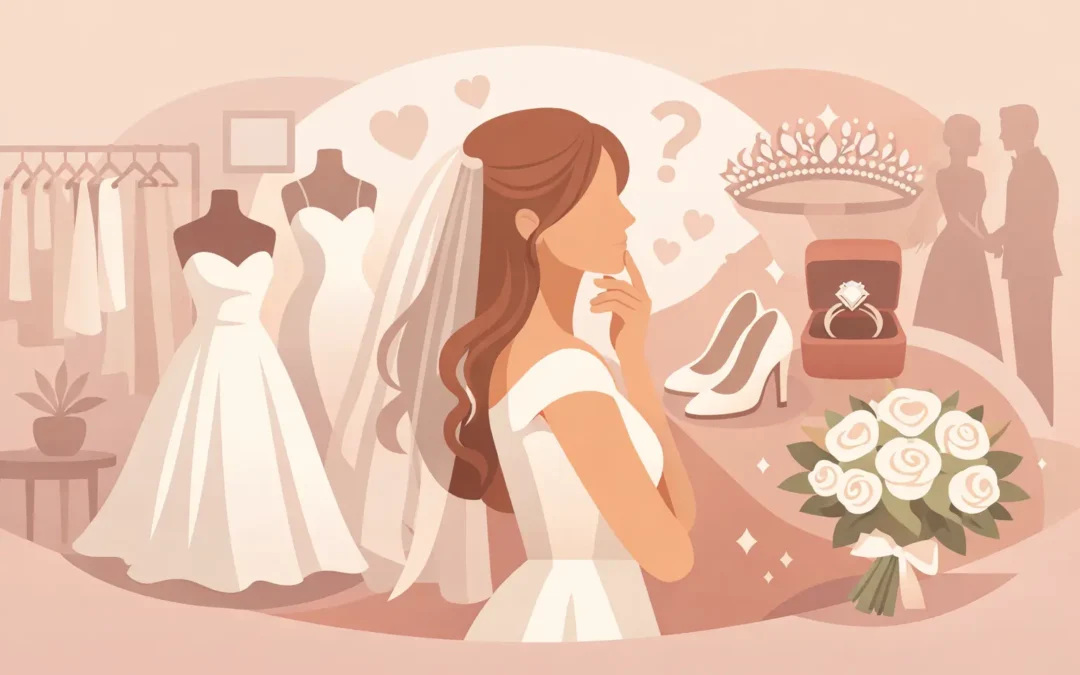
The phrase what is bridal wear sounds simple until you start shopping. One bride means a classic white gown, another means a sleek reception dress, and someone else is looking for bridesmaid dresses, a robe for getting ready and a second outfit for the after-party. In practice, bridal wear covers more than one dress – it refers to the clothing and styling pieces worn by the bride, and often the wider bridal party, across the wedding celebration.
That broader definition matters because it changes how you shop. Instead of looking for one perfect item in isolation, you can think about the full wedding wardrobe, how each piece will photograph, and what will actually feel comfortable from ceremony through to dancing.
What is bridal wear exactly?
At its core, bridal wear is wedding-specific fashion. Most commonly, it refers to the bride’s main wedding dress, but the category often extends to reception dresses, engagement party dresses, hens night looks, bridal robes, veils and other accessories. Depending on the retailer, bridal wear can also include bridesmaid dresses, mother-of-the-bride styles and other coordinated pieces tied to the wedding.
The easiest way to think about it is this: if the outfit is chosen because it serves a wedding moment, it sits within bridal wear.
That does not mean every bridal look has to be traditional. Bridal wear can be a fitted satin gown, a soft tulle maxi, a modern mini dress, a beaded evening-style silhouette or a clean, minimalist design with almost no embellishment. The common thread is not one fabric or cut. It is the purpose of the outfit and the significance of the occasion.
What bridal wear usually includes
For some brides, bridal wear begins and ends with the ceremony dress. For others, it includes several outfits worn across different events. That is why the category can feel wide.
The central piece is usually the wedding dress itself. This is the gown or dress worn for the ceremony and often for most of the day. Then there are supporting pieces such as a veil, overskirt, jacket, shawl, gloves or bridal shoes. If the wedding includes multiple events, bridal wear may also include an engagement dress, bridal shower outfit, hens dress, rehearsal dinner look and a reception or after-party dress.
Retailers focused on occasion dressing may also group bridesmaid dresses into bridal wear because they are part of the same wedding wardrobe. This makes sense for shoppers who want the bridal party to feel visually connected without spending weeks searching across multiple stores.
Bridal wear is not always one look
A growing number of brides choose more than one outfit. A full-length gown for the ceremony can be paired with a lighter second dress for the reception. This is especially popular for summer weddings, destination weddings and celebrations where comfort matters just as much as formality.
There is no rule that says bridal wear has to be one dramatic gown worn all day. If anything, modern bridal shopping is more flexible than ever.
Bridal wear vs formalwear
This is where many shoppers get stuck. Bridal wear and formalwear overlap, but they are not exactly the same thing.
Formalwear is a broad category for dressy events such as black-tie occasions, school formals, galas and evening functions. Bridal wear is more specific. It is occasionwear chosen for a wedding context, usually with styling, colour and detail decisions shaped by that setting.
A gown can absolutely sit in both categories. For example, a sleek white satin maxi might look like an evening dress in silhouette, but once it is selected for a wedding, it becomes bridal wear. This crossover is one reason many brides now shop from curated occasionwear boutiques rather than only traditional bridal stores.
That approach can be especially useful if you want something elegant and special without the price tag or lead times often associated with made-to-order bridal boutiques.
What makes a dress feel bridal?
A dress does not need heavy lace, a long train or crystal beading to feel bridal. In many cases, the feeling comes from styling, colour and intention.
White, ivory, pearl, champagne and soft neutral tones are still the most common choices because they immediately read as bridal. Fabric also plays a role. Satin, chiffon, tulle, mesh, lace and crepe tend to feel elevated and event-ready. Then there is silhouette. Floor-length gowns are timeless, but midi and mini dresses can look just as bridal when the cut is refined and the finish feels polished.
Detail matters too. Structured bodices, draping, soft ruching, embellished straps, corset shapes and flattering necklines can all create that wedding-ready look without tipping into overdone territory.
In the end, what feels bridal depends on the wedding itself. A beach ceremony, registry wedding and ballroom reception all call for different levels of formality.
How to choose the right bridal wear for your wedding
The best bridal wear is not just beautiful on a hanger. It suits your venue, your timeline, your budget and the way you want to feel on the day.
Start with the setting. A dramatic embellished gown may look stunning in a formal indoor venue, but it can feel too heavy for a garden wedding in the Australian heat. Likewise, a simple slip dress might be perfect for a city ceremony yet feel understated in a highly formal space.
Then think about movement. Can you sit comfortably, walk easily and dance without adjusting the dress every few minutes? This matters more than many brides expect. An outfit that looks incredible in photos but feels restrictive after an hour can take the shine off the day.
Budget also shapes the decision. Bridal wear spans a wide range of price points, and more expensive does not always mean more suitable. Many brides now look for accessible styles that still feel elegant, especially if they are buying multiple looks for the wedding weekend.
Fit is another major factor. A flattering cut will always do more for confidence than chasing a trend that does not suit your shape. This is where inclusive sizing and clear product information become genuinely helpful, not just nice to have.
Consider the full wedding wardrobe
If you are wearing more than one outfit, make sure the pieces work together rather than compete. The ceremony dress can carry more drama, while the reception look might be lighter, easier to move in and a little more playful. Bridesmaid dresses should complement the overall mood without looking overly matched or stiff.
A cohesive wedding wardrobe often looks more polished than one built around separate impulse buys.
Common bridal wear styles
There is no single bridal formula, but a few styles remain consistently popular because they are easy to wear and photograph beautifully.
A-line gowns suit many body shapes and feel timeless without being too formal. Fitted satin dresses are popular for modern weddings because they look clean, elegant and refined. Tulle or layered mesh gowns bring softness and volume, while off-shoulder and strapless designs create a classic bridal shape. Midi dresses work well for civil ceremonies, engagement parties or second looks, and mini dresses are a strong option for hens celebrations or receptions with a fashion-forward feel.
The right choice depends on your wedding, but it also depends on your personality. If you never wear heavily embellished clothing, your bridal look does not need to suddenly become maximalist. Bridal wear should still feel like you – just elevated.
Why bridal wear shopping can feel different from regular dress shopping
There is more emotion attached to it. You are not just buying a dress for a party. You are choosing an outfit for one of the most photographed and personally significant days of your life.
That pressure can make even decisive shoppers second-guess themselves. Some brides worry a dress is too simple. Others worry it is too much. The truth is, bridal wear sits in that sweet spot where personal taste, practicality and occasion all need to align.
This is why a curated online boutique can be a smart option. When the selection is focused on occasionwear, it is easier to compare silhouettes, shop by event type and find styles that look special without feeling inaccessible. At Chic Evening Dresses, that balance of elegance, affordability and size inclusivity is exactly what many Australian shoppers are looking for.
What is bridal wear in today’s market?
It is broader, more flexible and more personal than it used to be. Bridal wear still includes traditional wedding gowns, but it now comfortably includes minimalist dresses, modern separates, second looks and bridal-party styles that feel current rather than cookie-cutter.
That shift is good news for brides. It means you do not have to fit one narrow idea of what a wedding outfit should be. You can choose a gown, midi or mini that suits your venue, your budget and your version of elegance.
If you are still asking what is bridal wear, the clearest answer is this: it is the collection of wedding outfits and accessories chosen to help you look and feel right for each moment of the celebration. Once you view it that way, shopping becomes far less confusing – and far more exciting.
The best bridal wear is the piece you put on and stop questioning, because it feels like the right fit for the day you are about to have.
