 FREE DELIVERY $180+ AUD
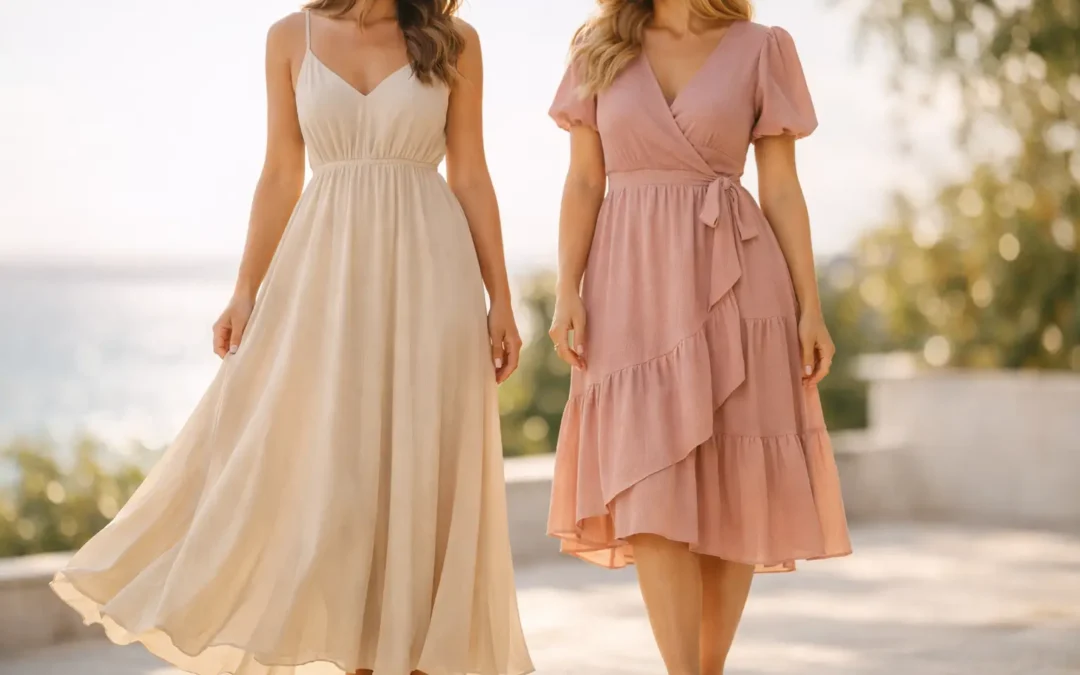
The hemline can change the entire feeling of your outfit. In the maxi vs midi dresses decision, neither style is automatically more flattering or more formal. The right choice comes down to your event, the shape you feel best in and the practical details that let you enjoy the occasion without adjusting your dress all night.
A flowing maxi can bring instant drama to a wedding or formal, while a beautifully cut midi often feels polished, modern and easy to wear. Knowing where each length works best makes shopping for a special event much simpler.
What is the difference between maxi and midi dresses?
A maxi dress usually falls to the ankle or floor, although the exact length can vary with your height and footwear. It creates a longer, more flowing silhouette and is a popular choice for black-tie functions, evening weddings, bridesmaid looks and school formals.
A midi dress sits below the knee and above the ankle, typically around the mid-calf. It offers coverage without the full length of a maxi and can feel especially versatile for cocktail events, engagement parties, daytime weddings and dinners.
The difference sounds simple, but proportion matters. A midi hem that lands at the widest point of the calf may not give the look you want, while a maxi that is too long can be difficult to walk in. Always consider the dress measurements alongside your own height, then factor in the heel height you plan to wear.
Maxi vs midi dresses for different occasions
Your invitation dress code is a useful starting point, but the venue, time of day and season matter just as much.
When a maxi dress is the stronger choice
Maxi dresses suit events where you want a more elevated, statement-making look. A full-length satin gown, embellished style or softly draped maxi feels at home at a formal wedding, gala dinner, school formal or evening celebration. They also make an elegant choice for bridesmaids, particularly when a bridal party wants a cohesive, romantic finish.
For outdoor weddings, choose the fabric carefully. A lightweight chiffon or jersey maxi can move beautifully in warm weather, while a heavy skirt may feel less practical on grass, sand or uneven paths. If the event runs into the evening, a maxi also offers a little extra warmth without needing to hide your outfit under a large jacket.
Maxi styles can be particularly helpful when you prefer more leg coverage or want a long, uninterrupted line through the body. A defined waist, wrap shape, side split or V-neckline stops the look from feeling too covered up and gives the silhouette shape.
When a midi dress makes more sense
Midi dresses are ideal when the occasion is dressy but not strictly formal. Think cocktail weddings, milestone birthdays, race-day events, bridal showers, work functions or a special dinner. They offer a refined finish while making it easier to move between venues, climb stairs and dance.
A structured midi in crepe, satin or stretch fabric can look sophisticated with heels and a clutch. For a daytime wedding, floral prints, soft colours and floaty sleeves bring a lighter feel. The same length can also work for an evening event when the fabric or detail is more glamorous, such as a fitted satin bodice, shimmer finish or dramatic neckline.
Midi dresses are often the practical pick if you are travelling to an event, expect to be on your feet for hours or simply do not want to worry about a floor-length hem. Their versatility also means you may find more opportunities to wear one again.
Choose a length that works with your proportions
There are no rules that say petite women must wear midi dresses or taller women must choose maxis. Both lengths can look exceptional on every body shape and across a wide range of sizes. The key is choosing a cut that creates balance and feels comfortable through the areas you want to highlight or support.
For a maxi, look for details that bring definition. An empire waist can lengthen the look of the legs, a wrap bodice can shape the waist, and a split can add movement while preventing a full skirt from overwhelming your frame. If you are petite, tailoring the hem is often worth considering, especially for a formal event where the dress needs to sit cleanly above the floor.
For a midi, pay attention to the hem placement. A midi that finishes just below the calf can be very flattering, especially with a heel that shows some of the top of the foot. A fitted or A-line shape may suit you better than a very wide, straight skirt, depending on how much volume you prefer.
Necklines and sleeves matter too. A halter neck or one-shoulder maxi draws the eye upwards, while a square-neck midi can give a clean, balanced shape. If you are choosing a dress online, use the model’s height and garment measurements as a guide rather than relying on the label size alone.
Fabric and fit can matter more than the hemline
A well-fitting midi will always look more polished than a maxi that bunches at the hem or slips at the bodice. Likewise, a beautifully draped maxi can feel effortless where a stiff midi may feel restrictive. Before deciding on length, consider how the fabric will behave throughout your event.
Satin gives both maxi and midi dresses a luminous, occasion-ready finish, but it may show creasing more easily. Chiffon offers movement and soft coverage, making it a lovely option for wedding guests and bridesmaids. Stretch fabrics can provide comfort and shape for long celebrations, while sequins and beading are best suited to evenings when you want a bolder look.
Fit should feel secure from the beginning. Sit down, lift your arms and take a few steps in your dress at home before the event. For maxis, check that the hem does not catch under your heel. For midis, make sure the skirt allows a comfortable stride, particularly if it is fitted.
Styling maxi and midi dresses with the right accessories
A maxi dress already has presence, so accessories can be simple and deliberate. Fine drop earrings, a compact clutch and strappy heels are often enough. If the dress has a high neckline, focus on earrings or a bracelet rather than adding a necklace. For a flowing bohemian-style maxi, a textured clutch or metallic sandal can add personality without competing with the dress.
Midi dresses give you more opportunity to show your shoes, which makes footwear part of the outfit rather than an afterthought. Pointed-toe heels can elongate the leg, while block heels are a comfortable option for garden venues and long receptions. A slim belt can define the waist on a looser midi, but skip it if the dress already has gathering, embellishment or a strong waist seam.
For both lengths, consider your outer layer before you buy. A tailored blazer can sharpen a cocktail midi for a work event, while a cropped wrap or elegant shawl may be more suitable over a formal maxi. Avoid a jacket that cuts across the widest part of the skirt unless that contrast is intentional.
How to make the final choice
If the dress code says formal or black tie, a maxi is usually the safest and most appropriately elevated option. If it says cocktail, semi-formal or smart casual, a midi is often an excellent choice, though an understated maxi can still work depending on the venue and fabric.
Then ask yourself a more useful question: which dress will let you feel like yourself? The best occasion dress is not the one that follows every supposed fashion rule. It is the one that fits well, suits the moment and lets you walk into the room feeling comfortable, elegant and ready to celebrate.
Whether you choose a floor-skimming gown or a refined mid-calf silhouette, allow enough time to try it on with your planned shoes and accessories. That small check is often what turns a lovely dress into the outfit you cannot wait to wear.
