 FREE DELIVERY $180+ AUD
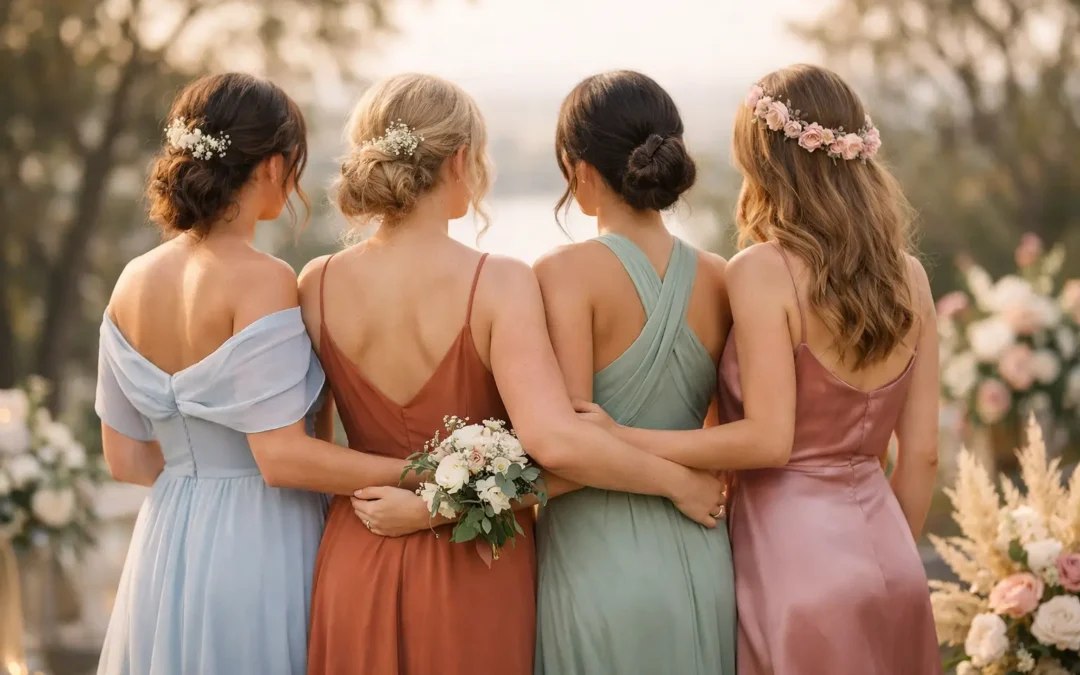
Choosing bridesmaid colours used to be about finding one safe shade and sticking to it. Bridesmaid colour trends 2026 are moving in a more polished direction – more depth, better contrast, and a stronger focus on what actually flatters the bridal party, the season and the setting.
For brides planning ahead, this is good news. The palette is broader, the styling feels more modern, and there is much more room to create a wedding look that feels elegant without becoming overly matched. For bridesmaids, it also means more wearable colours, more flexibility in dress selection and a better chance of finding a tone that feels confident in photos and in person.
What bridesmaid colour trends 2026 are really showing
The biggest shift is away from flat, one-note colour stories. In 2026, bridesmaid dressing is looking more considered. Brides are leaning towards tones with softness, warmth or richness, rather than bright shades that can feel dated quickly.
There is also a clear preference for colours that work across different fabrics and body shapes. Satin, chiffon, mesh and crepe all reflect colour differently, so the strongest trend shades are the ones that still look refined across multiple finishes. That matters if you want a bridal party in mixed silhouettes rather than one identical dress on every person.
Another noticeable move is the rise of tonal styling. Instead of forcing every bridesmaid into the exact same hue, many weddings are using one colour family with slight variation. It feels elevated, photographs beautifully and gives each bridesmaid more choice.
The standout shades for 2026
Mocha and warm taupe
Soft brown tones are set to be one of the strongest directions in bridesmaid colour trends 2026. Mocha, latte, mushroom and warm taupe bring a grounded, expensive-looking feel without being too dark or severe.
These shades work especially well for autumn and winter weddings, but they are not limited to cooler months. In lighter fabrics, they can feel relaxed and refined for spring celebrations too. They also pair beautifully with ivory bridal gowns, cream florals and gold-toned accessories.
The trade-off is that brown-based tones need a little care when it comes to undertones. A shade that looks elegant on one skin tone can feel washed out on another if it sits too close to the skin. This is where mix-and-match styling within the same earthy palette can work better than insisting on one exact shade.
Dusty sage and muted green
Green is staying strong, but in 2026 it is looking softer and more natural. Dusty sage, eucalyptus and muted olive continue to appeal because they feel calm, modern and easy to style.
These greens are especially popular for garden weddings, coastal venues and outdoor ceremonies where the colour palette needs to sit naturally within the setting. They also suit a wide range of complexions, which is one reason they remain a reliable choice for larger bridal parties.
If you want a green that will still feel timeless in your photos years from now, muted green is a safer choice than anything overly bright. The more yellow or neon the green becomes, the more trend-driven it can look.
Powder blue and misty blue
Blue is returning in a softer, more romantic form. Powder blue, mist blue and grey-blue are all gaining attention for 2026 because they offer colour without overwhelming the bridal look.
This palette works particularly well for formal weddings, modern city venues and cooler-season celebrations. Blue can also be a strong alternative for brides who want something fresh but find blush too traditional or sage too expected.
The key with pale blue is fabric choice. In matte fabrics it can look understated and elegant. In very shiny satin, a cool pale blue can read slightly more dramatic. That is not a problem, but it does change the mood.
Blush with less pink
Blush is not disappearing. It is simply maturing. The newer version is less sugary and more balanced, often sitting closer to rose beige, shell pink or muted petal.
That makes it easier to wear and easier to style with contemporary wedding palettes. Rather than looking overtly sweet, these softened pinks feel feminine and polished. They are particularly strong for spring weddings and daytime celebrations.
For brides who love a romantic look but want to avoid anything too traditional, a muted blush still offers softness while feeling current. It is also one of the easier shades to mix with deeper accent colours in bouquets and table styling.
Terracotta and clay
Warm earthy tones remain relevant, but they are becoming more refined. Terracotta, cinnamon and clay are still beautiful choices for 2026, especially for outdoor weddings and rustic-luxe venues, though the styling is shifting away from anything too boho or overly themed.
Used well, these shades feel warm, flattering and distinctive. They are particularly effective against natural backdrops, sandstone venues and sunset photography. If your wedding styling already includes warm neutrals, dried textures or bronze accents, this palette can tie everything together naturally.
The only caution is balance. Strong terracotta can dominate if every other wedding element is equally warm. Adding lighter neutrals or softer florals can keep the overall look elegant rather than heavy.
Plum, mulberry and deep wine
For brides wanting more drama, richer berry tones are one of the most sophisticated options in the 2026 palette. Plum, mulberry, merlot and dark wine create a luxurious bridal party look that feels especially right for evening weddings and cooler months.
These shades can be incredibly flattering and photograph with depth, which helps the dresses stand out against pale gowns and formal venues. They also feel dressy without relying on sequins or heavy embellishment.
Deeper tones do ask a little more from the overall styling. If the ceremony is very light, beachy or casual, a dark berry palette may feel too formal. But for a black-tie or winter wedding, it is one of the strongest choices available.
Mixed palettes are becoming more polished
One of the most wearable bridesmaid colour trends 2026 is the move towards curated variation. That could mean different shades of one colour, or a small palette of complementary tones such as sage, taupe and soft champagne.
This approach solves several common issues at once. It helps accommodate different skin tones, allows bridesmaids to choose more flattering silhouettes, and creates a more editorial look in photos. It also feels less forced than perfectly matched dresses, especially in modern weddings.
The secret is keeping the mix controlled. If every dress differs in both colour and fabric, the result can look messy. Usually, it works best to vary one element while keeping the others consistent. For example, different dress styles in the same shade family, or one dress style in closely related tones.
How to choose a trend colour without regretting it later
Following a trend only works if it still suits your wedding. The best colour for your bridal party depends on the venue, the season, your gown and the people actually wearing the dresses.
Start with the mood of the day. A formal evening wedding may suit deep wine or mist blue, while a coastal ceremony might look better with dusty sage or soft taupe. Then think about wearability. A colour can be beautiful on a hanger but difficult across a full bridal party if it is too cool, too pale or too saturated.
It also helps to consider fabric early. Satin makes colour look richer and more reflective, while chiffon and matte crepe often soften the same tone. If you are ordering dresses online, looking at the colour across different cuts and materials can give a more realistic sense of the final result.
For many brides, this is where a specialist occasionwear retailer makes the process easier. A focused bridesmaid range with extended sizing and multiple silhouettes in similar tones gives you more freedom to build a bridal party look that feels coordinated, flattering and practical.
Styling bridesmaid colour trends 2026 in a way that feels timeless
Trend-led does not have to mean short-lived. The most successful bridal parties in 2026 will likely be the ones that use trend colours with restraint.
That means choosing shades with some softness or depth, avoiding overly novelty combinations, and making sure the dresses still suit the formality of the wedding. It also means thinking about how the colours will sit against florals, suits, linens and the bridal gown rather than judging them in isolation.
If you want a modern look that still ages well, muted greens, warm neutrals, softened pinks and elegant blue tones are all safe places to start. If your style is more dramatic, rich plum and wine shades can feel incredibly polished when paired with clean silhouettes.
The best bridesmaid colour is the one that looks beautiful in the room, in the photos and on the women wearing it. When those three things line up, the whole wedding party looks more confident.
A strong colour palette should make the day feel pulled together, not overcomplicated. If 2026 is showing anything clearly, it is that bridesmaid dressing is becoming more flattering, more flexible and much more stylish for real weddings.
