 FREE DELIVERY $180+ AUD
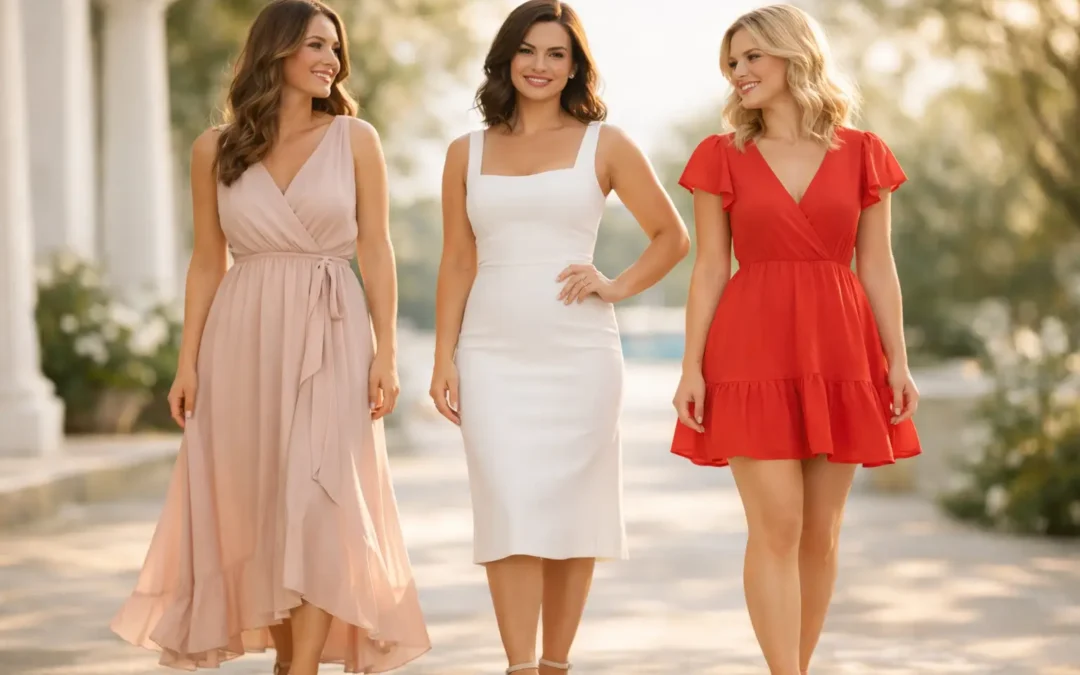
The question of what dress length is most flattering rarely has one answer. A hemline can make you feel polished, comfortable and ready for the occasion, but the best choice comes down to proportion, fit, shoes and where you are wearing it. The right dress length is the one that highlights the parts of your figure you love while letting you move through the event with confidence.
For a wedding, formal, party or evening function, start with how you want to feel. Sleek and sophisticated? A little more playful? Glamorous from head to toe? Once you know the mood, choosing between a mini, midi and maxi becomes much easier.
What dress length is most flattering by proportion?
The most universally flattering hemlines tend to finish at a narrower part of the leg rather than directly across its widest point. This is why a hem just above the knee, at the slimmest part of the calf, or near the ankle often looks beautifully balanced. It creates a clearer line through the body instead of visually cutting it off.
That said, proportions matter more than rules. A well-fitted midi can look incredible on a petite woman, and a mini can be elegant on a taller woman. The key is to consider the whole outfit: the waistline, neckline, fabric, footwear and where the hem sits together create the final effect.
A defined waist is especially useful when wearing a longer dress. Whether it comes from tailoring, a wrap silhouette, ruching or a belt, waist definition stops a midi or maxi style from feeling overwhelmed by fabric. If you prefer a looser shape, look for soft draping or a higher waist seam to keep the silhouette intentional.
Mini dresses: confident, modern and leg-lengthening
Mini dresses generally finish above the knee and can make the legs appear longer, particularly when paired with heels or shoes close to your skin tone. They are a lovely choice for cocktail parties, birthday celebrations, hens events and relaxed wedding receptions where the dress code allows for something shorter.
The most flattering mini length is usually not the shortest possible length. A hem that sits around mid-thigh or just above the knee gives you freedom to sit, dance and move comfortably while still creating that fun, youthful shape. If you are taller, a slightly longer mini often feels more balanced. If you are petite, a cleaner, less bulky mini can lengthen your frame.
For more formal occasions, balance a shorter hem with an elevated fabric or detail. Satin, lace, sequins, structured crepe and refined sleeves make a mini feel occasion-ready. A high neckline, long sleeve or tailored blazer can also bring polish without taking away from the look.
Midi dresses: the elegant middle ground
Midi dresses sit anywhere from below the knee to above the ankle, and they are one of the most versatile options for Australian events. They work beautifully for wedding guests, race days, engagement parties, cocktail occasions and dinners where you want to look dressed up without the formality of a full-length gown.
The exact placement makes all the difference. A midi that ends at the widest point of the calf can sometimes make the lower leg appear shorter. Try a hem that finishes just below the knee, at the narrowest part of the calf or a few centimetres above the ankle instead. An asymmetric hem can be particularly flattering because it creates movement and breaks up a straight horizontal line.
Shoes matter with a midi. A pointed toe, a delicate sandal or a heel that exposes some of the top of the foot can extend the leg line. Chunkier shoes can still work, especially with a fashion-forward knit midi or a daytime style, but a lighter shoe usually feels more elegant with formal occasionwear.
If you carry weight through your tummy or hips, a wrap midi, fit-and-flare shape or softly ruched design can be a flattering place to start. These styles skim rather than cling, while giving the waist some shape. For curves, a body-skimming midi with stretch can look just as striking when the fit is secure and comfortable.
Maxi dresses: dramatic, graceful and event-ready
A maxi dress is usually the natural choice for black-tie weddings, school formals, gala dinners and evening events where you want to make an entrance. Full-length styles create a long, uninterrupted line and can feel incredibly flattering on every height when the proportions are right.
The ideal maxi hem should nearly touch the ground when you are wearing your event shoes. It should not drag behind you or catch under your heel. A dress that is too long can look untidy and be difficult to manage on the dance floor, while one that sits well above the ankle may look more like an accidental fit issue than an intentional length.
Petite women do not need to avoid maxi dresses. Choose a style with a raised waistline, a V-neck, a side split or a column silhouette to create length. A clean, single-colour gown can also give a streamlined effect. Taller women can carry bold volume beautifully, including fuller skirts, dramatic sleeves and floor-sweeping details, but a fitted bodice helps keep the shape balanced.
A split can make a maxi feel lighter and show a little leg without sacrificing elegance. It is particularly useful if you want the sophistication of a gown but do not want to feel covered from neckline to hem. Just make sure the split feels secure when walking and sitting.
Choose length for the occasion, not just your body shape
A flattering dress also needs to feel right in the room. A mini may suit a cocktail birthday perfectly but feel too casual for a formal ceremony. A dramatic maxi can be gorgeous for an evening wedding yet feel overdressed for a daytime garden event. Checking the invitation dress code first saves second-guessing later.
For weddings, midi and maxi dresses are dependable choices, while a refined mini can work for a more relaxed celebration. For school formals and black-tie events, a maxi is often the most fitting option. For cocktail parties, a mini or midi gives you plenty of room to show your personal style.
Also think practically. If the event includes grass, stairs, lots of dancing or a long walk from the car, a floor-length dress needs the right hem and shoes. Comfort is not separate from flattering style. When you can move easily and stop worrying about your outfit, you naturally look more confident.
Fit matters more than the number on the label
No dress length can do its best work if the fit is off through the bust, waist or hips. Take your measurements before ordering and use the size guide for each style, especially for fitted formal dresses. Occasionwear sizing can vary between cuts, so choose the measurements that give you the most comfortable fit rather than focusing on a usual size.
If you are between sizes, consider the fabric. Stretch fabric may allow for a closer fit, while satin, sequins and structured materials often need a little more room. Alterations are also worth considering for a special event. A small hem adjustment can turn a dress you like into one that feels made for you.
Your undergarments influence the finish too. The right bra, shapewear or seamless briefs can help a fitted dress sit smoothly, but they should never leave you uncomfortable by the end of the night. Try your complete outfit on at home, including shoes and accessories, before the event.
A simple way to find your best hemline
Stand in front of a full-length mirror wearing your event shoes and take a photo from the front and side. Look for where the hem finishes and whether your waist is visible. Then compare how you feel in each length. The dress that lets you stand taller, smile sooner and forget to fuss with the fabric is usually the most flattering one.
Fashion rules can be helpful starting points, but they are not a verdict on what you can wear. Whether you choose a playful mini, a polished midi or an elegant maxi, select the length that suits the occasion and makes you feel like the best-dressed version of yourself.
