 FREE DELIVERY $180+ AUD
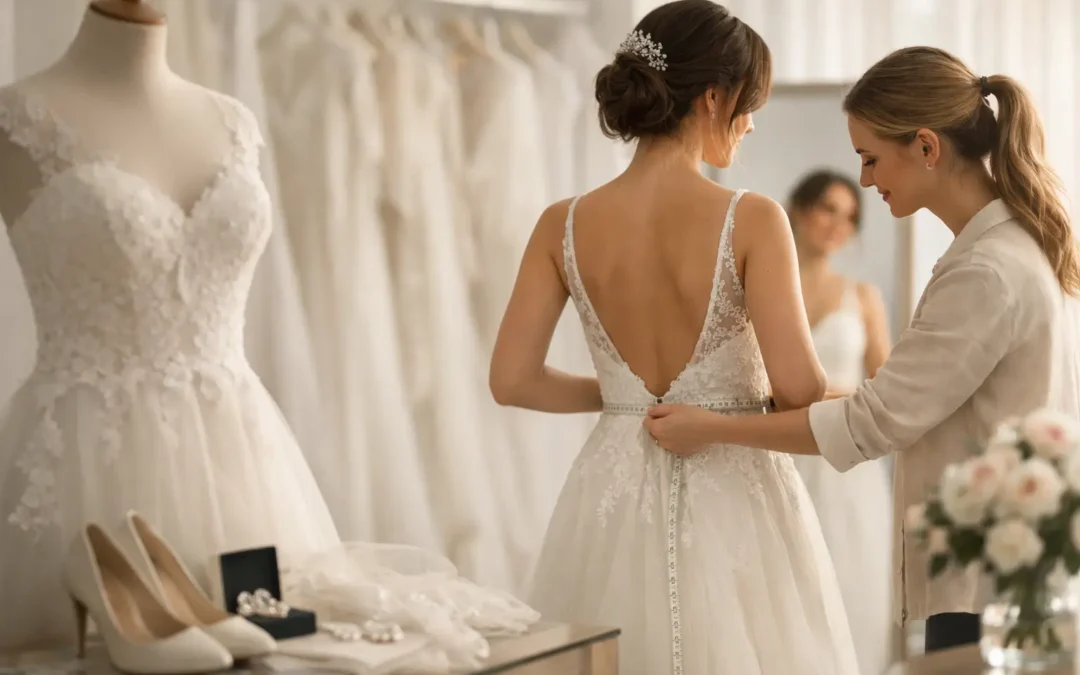
You can wear an AU 12 in everyday clothes and still need a different size in a wedding dress. That surprise catches a lot of brides off guard, which is exactly why a bridal dress size guide matters. Bridal sizing often runs differently to standard fashion sizing, and the right choice comes down to measurements, fabric, structure and how you want the dress to sit on the day.
Shopping for your wedding dress should feel exciting, not confusing. If you are buying online, a clear understanding of bridal sizing helps you make a more confident decision and avoid ordering based on habit alone. The number on the tag matters far less than the way the dress fits through the bust, waist and hips.
How bridal sizing really works
Wedding dresses are not always sized the same way as regular dresses. Many formal and bridal styles are cut with more structure through the bodice, a more defined waist, and less stretch than everyday fashion. That means the size you usually wear to dinner, work or a party may not translate neatly to bridal wear.
This is where many brides get stuck. They assume their standard size will be the safest option, then find the bodice is too firm, the waist is too tight, or the hips sit differently than expected. Bridal sizing is usually more about garment measurements and shape than the number itself.
It also varies from brand to brand. One label’s AU 14 may fit like another label’s AU 12 or AU 16, especially across fitted gowns, satin dresses and heavily structured styles. If you are comparing several dresses, always look at each individual size chart rather than relying on the size you bought last time.
Bridal dress size guide: start with your measurements
If you use only one rule from this bridal dress size guide, make it this one – measure yourself properly before you order. Accurate body measurements give you the best chance of choosing a size that fits well from the start.
You will usually need three key measurements: bust, waist and hips. For the bust, measure around the fullest part while wearing a well-fitting bra or the type of underwear you expect to wear under the dress. For the waist, measure around the narrowest part of your torso, which is often slightly above the belly button. For the hips, measure around the fullest part of your hips and bottom while standing naturally.
A soft measuring tape is best, and it helps to have someone assist so the tape stays level. Keep it snug but not tight. If you pull the tape in too far, you can easily order a dress that feels restrictive when it arrives.
Take your measurements more than once. Bodies change, especially in the lead-up to a wedding, and even a small difference can matter in a fitted gown. If you are between numbers, use the most recent measurement and compare it carefully against the chart for that specific dress.
Which measurement matters most?
That depends on the silhouette. In a fitted mermaid or body-skimming satin dress, all three measurements matter because there is little room for error. In an A-line gown, the waist and bust are often the priority because the skirt falls away from the body. In a soft chiffon style with a more forgiving shape, you may have slightly more flexibility through the hips.
The bodice usually deserves the closest attention. If the bust and waist are too small, the dress can pull, gape, or sit uncomfortably through the torso. A skirt can often feel more forgiving, but a structured bodice needs to fit cleanly to look polished.
If your measurements fall across two or three sizes, choose based on the least forgiving area of the dress. For many brides, that means sizing to the waist in a fitted style, or to the bust if the bodice is firm and detailed. It is generally easier to adjust a dress that is slightly larger than one that is too small, although the best option still depends on design and seam allowance.
Why fabric changes the fit
Fabric has a huge impact on how a dress feels on the body. A stretch jersey or softly draped mesh style may offer more give, while satin, tulle and lined formal fabrics can feel more exacting. Structured gowns with boning, corsetry, cups or firm linings often fit more snugly than brides expect.
That does not mean you should size up automatically. It means you should read the dress details with care and think about how much flexibility the fabric allows. A fitted satin gown with no stretch should be treated very differently from a wrap-inspired bridesmaid dress or a softly gathered chiffon style.
This is also where personal preference comes in. Some brides want a close, sculpted fit through the waist and bust. Others prefer a little breathing room for comfort, movement and a long day of photos, meals and dancing. The right fit is not only about what zips up. It is about what lets you feel confident for hours.
A bridal dress size guide for common fit situations
One of the most common issues is fitting one area perfectly and another less so. If your bust is a smaller size than your hips, a fitted silhouette may require choosing the larger size and allowing for minor alterations. If your waist is your fullest point in relation to the chart, that measurement often becomes the deciding factor in more structured dresses.
Petite brides should also be realistic about length. Size charts usually focus on circumference, not height, so even a correct size may still need hemming. Taller brides may need to check dress length just as closely, particularly in floor-length bridal and formal styles.
For brides shopping extended sizing, the same principles apply. Focus on measurements, shape and fabric rather than assuming a larger size works differently. A well-cut gown in an inclusive size range should still flatter the waist, support the bust and skim the body in the right places. The goal is not to hide your shape. It is to choose a dress that works with it.
Online shopping tips that make sizing easier
Buying bridal wear online can be a smart, efficient option, but it pays to be methodical. Start by measuring yourself before browsing too deeply. It saves time and helps you filter styles more realistically.
Then compare your numbers to the chart on each product. If the dress description mentions fitted, structured, minimal stretch or true formal construction, take that seriously. If the style has adjustable features such as a lace-up back, wrap waist, tie straps or stretch fabric, that may give you more flexibility.
It is also worth thinking about timing. If your wedding date is close, leave room for delivery and any minor alterations. Ordering too late creates pressure, and pressure tends to lead to rushed decisions. A calm sizing choice is almost always a better one.
If support is available, use it. A retailer that understands occasionwear can often help interpret a size chart based on the specific cut of the dress. That guidance can make a real difference when you are choosing between two sizes.
What not to do when choosing your size
Do not order the smaller size as motivation. Wedding dress shopping already comes with enough emotion attached, and a gown should fit the body you have now, not the one you hope to have in a few months. A well-fitting dress looks better, feels better and photographs better.
Do not fixate on the number. Bridal sizing has never been especially kind or consistent, and it is not a reflection of your body. If the right fit happens to be a size above what you usually buy, that is simply a sizing difference, not a problem.
And do not assume every alteration is simple. Taking in a dress may be straightforward in some designs, but heavily embellished gowns, complex bodices and certain fabrics can make changes more involved. Starting with the closest possible fit is always the safer move.
Confidence starts with the right fit
The best bridal look is not always the tightest or the trendiest. It is the one that lets you stand tall, move comfortably and feel like yourself from the ceremony through to the last dance. When you use a bridal dress size guide properly, you take a lot of the guesswork out of online shopping and give yourself a much better chance of finding a dress that feels as good as it looks.
If you are deciding between sizes, pause and return to the measurements, the fabric and the shape of the dress. A calm, practical approach usually leads to the most flattering result – and that means one less thing to worry about when the big day arrives.
