 FREE DELIVERY $180+ AUD
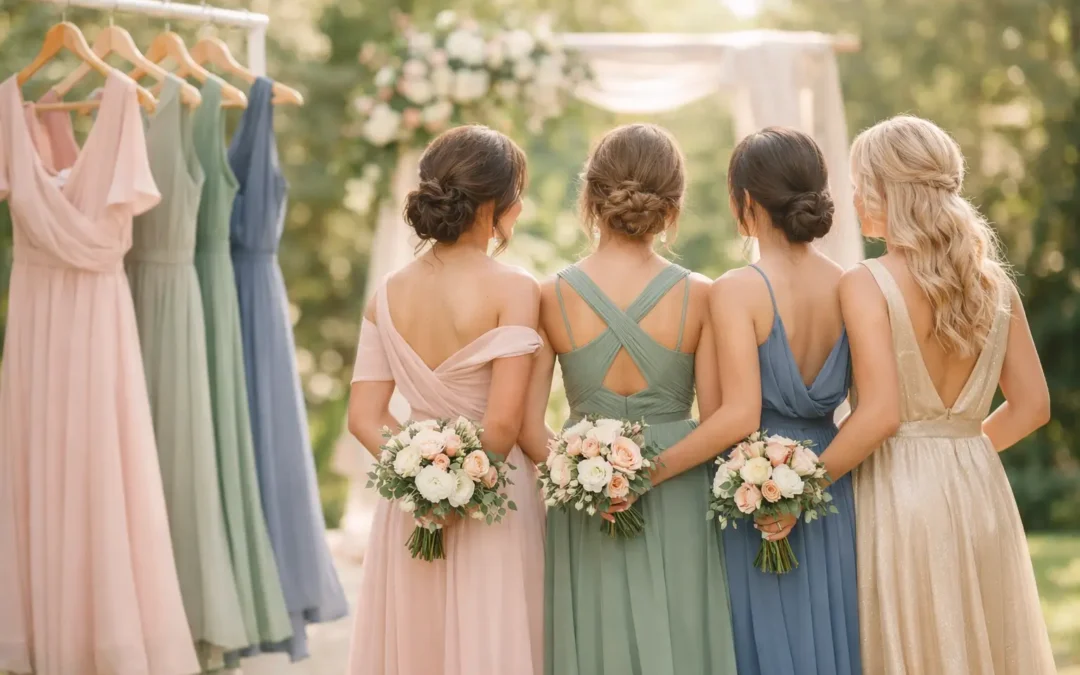
Choosing bridesmaid colours sounds simple until you realise one shade can look romantic in a garden wedding, flat in harsh sun, or too heavy for a beach ceremony. A good bridesmaid dress colour guide takes the guesswork out of it by balancing your wedding style, the season, your venue and what your bridal party will actually feel confident wearing.
The right colour does more than match the flowers. It shapes the mood of the day, affects how your photos look and helps your bridesmaids feel polished rather than like they have been squeezed into a theme. If you are deciding between classic neutrals, rich jewel tones or soft pastels, a few practical checks will make the choice much easier.
How to use a bridesmaid dress colour guide
Start with the setting before you start with the swatches. A ballroom reception, a winery wedding and a relaxed coastal ceremony all call for a different kind of colour story. Formal venues usually suit deeper or more refined tones such as navy, emerald, wine or black-tie neutrals. Outdoor venues often work beautifully with softer, more natural shades such as sage, dusty blue, blush or champagne.
Next, think about light. Bright Australian sun can wash out very pale tones or make bold colours appear even stronger. Indoor evening receptions tend to suit richer shades because they hold their depth under lower lighting. If most of your photos will be outside in daylight, look closely at how the fabric and colour read in natural light rather than under boutique lighting.
Then consider your own bridal look. Your bridesmaid dresses do not need to match your flowers, table linen and styling details exactly, but they should feel connected. If your gown is sleek and modern, crisp tones or sophisticated neutrals often feel right. If your dress has a soft, romantic feel, muted colours usually sit more naturally beside it.
Choosing by season and venue
Season matters, but not in a rigid way. Australian weddings do not all follow the same weather pattern, and a summer wedding in Melbourne can feel very different from one in Queensland. Use the season as a guide, then adjust for your actual location and venue.
Spring and summer colours
For warmer months, lighter and fresher shades are usually the easiest choice. Sage, soft blue, blush, lilac, champagne and dusty rose tend to feel airy without looking too sweet. They also pair well with garden ceremonies, coastal settings and daytime receptions.
That said, pale tones are not your only option. A summer city wedding can still look stunning in deep olive, terracotta or satin navy, especially if the styling is more formal. The trade-off is comfort and practicality. Dark colours can feel heavier in heat, particularly in structured fabrics, so fabric choice matters as much as colour.
Autumn and winter colours
Cooler-season weddings often suit richer shades with a little more depth. Forest green, burgundy, navy, plum, chocolate and rust can look elegant and grounded. These colours usually work well in wineries, heritage venues and indoor evening settings where moodier styling feels intentional.
If you prefer a lighter palette in winter, look for muted rather than icy tones. Dusty blue, mauve, mushroom and soft taupe can still feel seasonally appropriate without becoming stark. This is especially useful if your wedding style is classic and understated rather than dramatic.
The most versatile bridesmaid dress colours
If you want a safe choice that still looks stylish, some colours consistently work across seasons, venues and dress styles.
Sage has become a favourite for good reason. It feels modern, soft and easy to pair with natural florals. It flatters a wide range of skin tones and rarely looks overdone. Dusty blue offers a similar versatility, especially for coastal, garden and classic weddings. It is gentle without disappearing in photos.
Navy remains one of the strongest all-round options. It is polished, timeless and easier for many bridesmaids to wear than black. It suits formal weddings beautifully and works across different ages and body shapes. Champagne and taupe are also reliable if you want a neutral palette with warmth rather than stark contrast.
Blush can be lovely, but it depends on the undertone. Some blush shades lean peachy and flattering, while others can look too pale or overly pink against certain complexions. That does not make blush a bad choice – it simply means swatch checking matters.
Skin tones, confidence and wearability
A bridesmaid colour should work for the group, not just the mood board. One of the most common mistakes is choosing a tone that looks beautiful in isolation but leaves half the bridal party feeling uncomfortable. If your bridesmaids vary in skin tone, hair colour and personal style, flexibility often gives a better result than forcing one exact shade and silhouette on everyone.
Warm tones such as terracotta, olive, gold-based champagne and warm taupe can be flattering on many complexions, especially in outdoor light. Cooler shades such as dusty blue, emerald, navy and berry tones also tend to perform well across a range of skin tones. Very pale beige, icy lilac and some washed-out blush shades can be trickier because they may drain colour from the skin or blend too closely on camera.
This is also where fabric comes into play. Satin reflects light and can make colour look brighter or more fluid. Chiffon softens the effect. Matte crepe often gives stronger colour definition. If you love a shade but it feels slightly intense, changing the fabric can be enough to make it feel more wearable.
Matching versus mismatched colours
Perfect matching is no longer the only polished option. A well-planned mismatched bridal party can look modern, flattering and more natural, particularly when your bridesmaids have different body shapes or style preferences.
There are a few ways to do this well. You can keep one colour and vary the dress shapes, which is the simplest approach. You can also keep one colour family and use slightly different tones, such as sage, olive and eucalyptus, or blush, rose and mauve. This creates dimension without looking messy.
The hardest version is mixing completely different colours. It can look beautiful, but only if the tones share a common mood. Soft muted shades tend to work together, and rich jewel tones can also sit well as a group. Problems usually happen when the palette mixes warm and cool shades with no clear thread, or when one colour dominates the photos in an awkward way.
Practical checks before you commit
Before ordering, look at swatches beside your wedding gown if possible. Ivory, bright white and warm white all affect how nearby colours appear. A shade that looks romantic on its own may feel too yellow, too grey or too cool once it is placed next to your dress.
You should also think about repeat wear, especially if your bridesmaids are buying their own dresses. Colours like navy, emerald, chocolate, rust and muted pinks are often easier to wear again for other events. That may not be the deciding factor, but it is a practical advantage and one your bridal party will appreciate.
Sizing and fit matter just as much as colour. A flattering shade can still disappoint if the cut does not suit the wearer. If your bridal party includes a range of sizes, choosing a colour available across an inclusive size range makes the process smoother and fairer for everyone. This is where a specialist occasionwear boutique such as Chic Evening Dresses can make the decision easier, because the style and size options are built around real event dressing rather than a narrow fashion edit.
Finally, remember that trends move quickly. If you are choosing a highly specific trending colour, ask yourself whether you love it enough to see it in your photos for years to come. A current shade can still be the right choice, but it should suit your wedding first and social media second.
When to keep it simple
If you feel stuck, simplify the brief. Choose a venue-appropriate colour family, narrow it to two or three shades, then compare them in daylight. Most brides make the best decision once they stop comparing twenty options and start looking at what actually suits the setting, season and bridal party.
The best bridesmaid colour is not always the boldest or the most fashionable. It is the one that feels elegant, photographs well and lets your bridesmaids stand beside you looking comfortable, confident and beautifully pulled together. That is usually the choice you will be happiest with long after the wedding is over.
