 FREE DELIVERY $180+ AUD
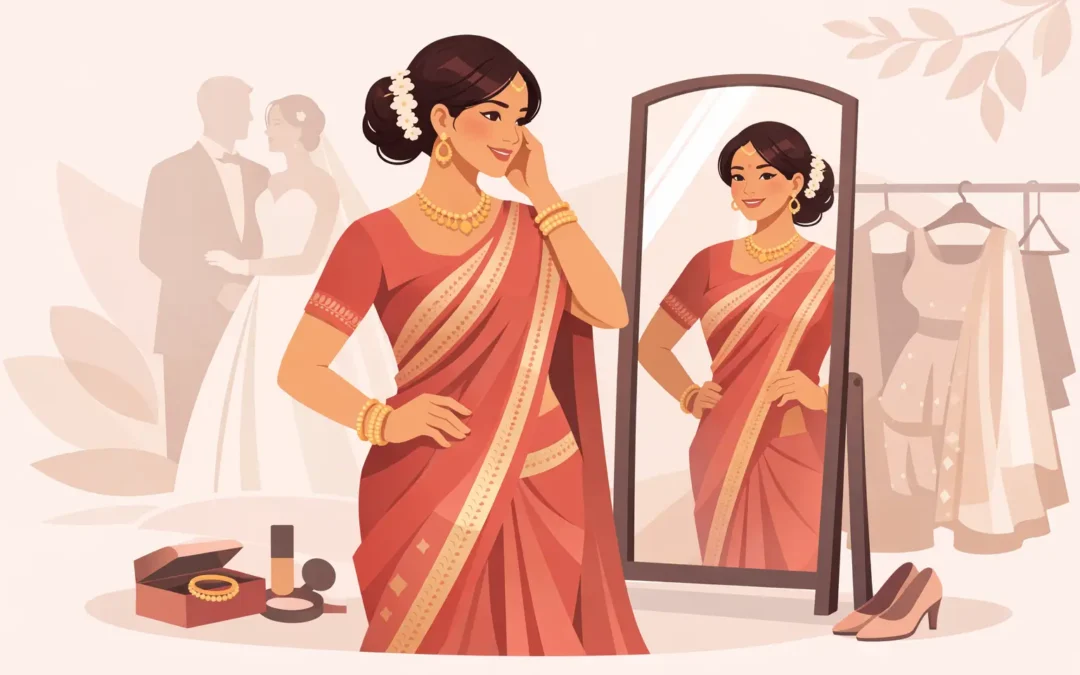
A wedding saree can look breathtaking in photos and feel completely different once you are the one wearing it for hours. That is why knowing how to wear wedding saree styles properly matters just as much as choosing the fabric, colour or embroidery. The right drape should flatter your shape, suit the ceremony and still let you move, sit, greet guests and enjoy the day without constant adjusting.
For many women, the challenge is not whether a saree is beautiful. It is whether it feels secure, balanced and comfortable from the first photo to the last dance. A wedding outfit needs to do both. It should look elegant and feel manageable, especially if you are dressing for a long celebration, warm weather or multiple events.
How to wear wedding saree for the right occasion
Not every wedding saree is worn the same way, because not every wedding has the same level of formality, climate or pace. A heavily embellished saree for a formal evening reception calls for a different approach than a lighter saree worn for a daytime ceremony or pre-wedding event.
If the occasion is grand and traditional, a structured drape with neat pleats and a more formal pallu often works best. It gives a polished look and supports the richness of embellished fabrics like silk, brocade or net. For a lighter celebration, softer draping can feel fresher and easier to wear, especially if you want more movement.
The venue matters too. Outdoor weddings in Australia often bring heat, breeze and long stretches on your feet. In that setting, a saree that is pinned well and paired with practical footwear can make a real difference. If the event is indoors and more formal, you can usually lean into fuller draping, richer textures and more statement styling.
Start with the blouse and base fit
A wedding saree never sits well if the blouse fit is off. Before thinking about pleats or jewellery, make sure the blouse supports the look properly. It should sit smoothly across the shoulders and bust, feel secure under the arms and allow comfortable movement. If it is too tight, the saree can pull awkwardly. If it is too loose, the whole outfit can lose shape.
The underskirt matters just as much. A well-fitted petticoat gives the saree structure and helps keep the pleats in place. It should sit firmly at the waist without digging in. If it slips, the saree can shift throughout the event. If it is bulky, the drape may look heavier than intended.
Fabric pairing is worth attention here. Heavier sarees need a stable base, while lighter fabrics benefit from smoother underlayers that do not create visible lines. This small detail often decides whether the final look feels refined or fussy.
Draping that feels secure, not stiff
When women search for how to wear wedding saree looks beautifully, what they usually want is a drape that stays in place without looking overworked. That balance is key. You want clean pleats, a flattering waistline and a pallu that feels intentional, but you do not want so many pins and folds that the outfit becomes uncomfortable.
Begin by setting the saree at the waist carefully so the length works with your shoes. The hem should skim the floor without dragging. From there, focus on front pleats that are even and not too wide. Smaller, neater pleats often look more polished and are easier to manage through the day.
The pallu can change the whole mood of the outfit. A pleated pallu creates a sharper, more formal finish. A softer, open pallu feels more romantic and fluid. Neither is automatically better. It depends on the saree fabric, the amount of embellishment and how much movement you want.
Pins help, but placement matters. Too few and the saree can shift. Too many and the drape can look rigid. Use them strategically at the shoulder and waist, and only where they improve shape or security.
Choose jewellery that supports the saree
A wedding saree already carries visual detail, so jewellery should complement rather than compete. If the saree has heavy embroidery, sequins or ornate borders, it often looks better with edited accessories. If the saree is simpler, jewellery can do more of the styling work.
Necklines guide this choice. A high or embellished blouse neckline may not need a necklace at all. In that case, earrings and bangles can be enough. A more open neckline gives room for a statement necklace, but the scale should still suit the saree and the event.
Gold tones tend to work beautifully with warmer saree shades like red, maroon, mustard and blush. Silver or stone-set jewellery can suit cooler tones such as navy, charcoal, emerald or soft pastels. The goal is visual balance. If every element is bold, the look can feel crowded.
This is also where personal style matters. Some women feel most elegant in traditional jewellery. Others prefer a cleaner, contemporary finish. Both can work, provided the outfit still feels occasion-appropriate.
Footwear, hair and finishing details
One of the most overlooked parts of how to wear wedding saree outfits well is what sits underneath and around them. Shoes affect posture, saree length and comfort. Hair affects neckline visibility, jewellery impact and the overall shape of the look.
Choose shoes before final draping, not after. Even a small heel changes hem length. For long events, comfort matters more than a dramatic shoe no one will see properly. A stable block heel, wedge or dressy flat can be the smarter option if the venue includes grass, stairs or extended standing.
Hair should suit both the blouse design and the weight of the saree. An upstyle can highlight earrings, back details and necklines, while soft waves can make the look feel less formal. If the saree is heavily embellished, simpler hair often keeps everything looking balanced.
Make-up should follow the same principle. If the saree and jewellery are making a strong statement, polished skin, defined eyes or a classic lip may be enough. You do not need every feature turned up at once.
Comfort is part of elegance
A wedding outfit only works if you can wear it confidently for more than ten minutes. Comfort is not a boring practical detail. It is part of the final look. If you are tugging at the pallu, adjusting the blouse or worrying about the pleats opening, that tension shows.
Do a full trial before the event. Walk in the saree, sit down, get in and out of a car, and test how the pallu behaves when you move. It sounds simple, but this is where most styling problems show up. You will quickly notice whether the blouse needs adjusting, the pins need repositioning or the hem is too long.
Breathable fabrics and thoughtful layering also matter, especially for Australian weddings that run through warm afternoons and busy evenings. A heavily worked saree can look stunning, but if it feels too heavy for the season or venue, a lighter option may serve you better. Style always needs context.
Styling by body shape and personal preference
There is no single correct way to wear a wedding saree because the most flattering drape depends on proportions, fabric and comfort level. A taller frame can often carry broader pleats and longer pallus beautifully. Petite women may prefer narrower pleats and a more controlled drape to avoid being overwhelmed by fabric.
If you want more waist definition, keep the pleats neat and avoid bulk at the front. If you prefer a little more coverage, a well-placed pallu can soften the silhouette while still looking elegant. Heavier fabrics tend to create more structure, while lighter fabrics skim the body more softly.
This is where confidence usually comes from – not copying one exact styling formula, but adjusting the saree so it works for you. The right fit and drape should make you feel polished, not restricted.
When to keep it traditional and when to modernise
Some wedding saree looks are at their best when styled traditionally, especially for cultural ceremonies where formality and heritage are part of the dress code. In those moments, classic draping, timeless jewellery and richer colours often feel exactly right.
Other occasions leave more room for a modern finish. You might pair a saree with a contemporary blouse cut, simpler accessories or softer beauty styling. If that approach feels more natural to you, it can still look refined and event-ready.
At Chic Evening Dresses, we understand that occasionwear needs to feel beautiful, flattering and realistic to wear. The smartest styling choice is usually the one that respects the event while still feeling like you.
If you are deciding how to wear a wedding saree, think beyond the first impression. The best look is the one that lets you walk in, stand tall and enjoy every part of the celebration without second-guessing what you are wearing.
