 FREE DELIVERY $180+ AUD
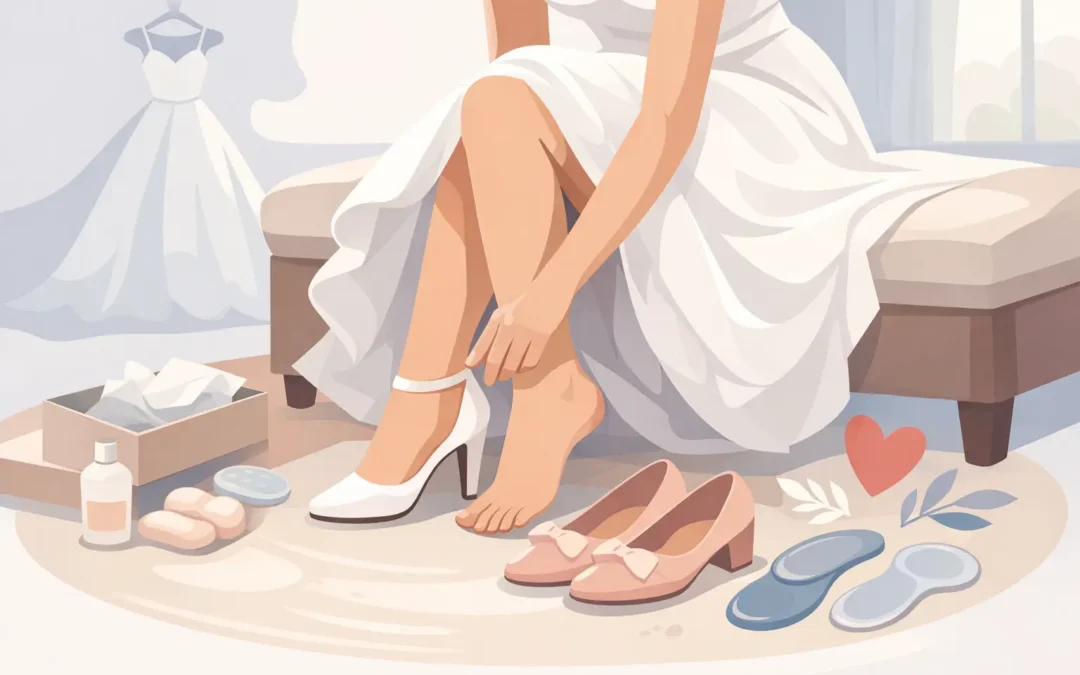
The first hour in your wedding shoes can feel perfect. It’s the fifth hour that tells the truth. If you’re wondering how to wear wedding shoes without ending the day with sore feet, the answer is less about pushing through discomfort and more about choosing, styling and preparing your shoes properly from the start.
Whether you’re the bride, a bridesmaid or a guest, wedding shoes need to do more than look beautiful in photos. They need to suit the dress, work with the venue and still feel wearable after the ceremony, the mingling and the dance floor. A good pair should support the whole outfit, not become the one thing you regret halfway through the event.
How to wear wedding shoes for the right event
Not every wedding calls for the same shoe. A stiletto that works in a polished indoor venue may be a poor choice for a garden ceremony, a winery lawn or a beachside reception. Before you decide on shape or heel height, think about where you’ll actually be standing and walking.
For formal ballroom weddings, classic pumps, heeled sandals and elegant satin styles tend to suit the setting. For outdoor weddings, a block heel, wedge or dressy flat is often the smarter option because it gives you more stability on grass, gravel and uneven ground. If the wedding runs from afternoon into late evening, comfort matters even more, especially if you want to stay present and polished rather than counting down until you can take your shoes off.
The most flattering shoe is not always the highest one. Sometimes a lower heel creates a better overall look because your posture is more relaxed and your walk is more natural. That matters in photos and in real life.
Match the shoe to the dress, not just the colour
A common mistake is choosing wedding shoes as a separate fashion decision. In reality, the dress should lead. The length, shape and fabric of your outfit all affect which shoe works best.
A full-length gown usually benefits from a refined silhouette. Pointed heels, slim sandals and low-profile platforms can all work, depending on the hemline and the formality of the dress. If your gown is heavily detailed with sequins, lace or embellishment, a simpler shoe often looks more elegant. If the dress is clean and minimal, you have more room to bring in texture, shine or statement details through the shoe.
Midi and high-low dresses put more focus on the shoe, so proportion becomes more important. A delicate strappy heel can keep the look feminine, while a closed-toe style can feel more polished for cooler months or evening weddings. Mini dresses often suit sharper shoe lines, but comfort still needs to come first if you’ll be on your feet for long stretches.
Colour should support the outfit rather than compete with it. Nude, ivory, champagne, metallics and soft neutrals are popular because they work across many dress colours and photograph well. If you want contrast, make sure it looks intentional. A bold shoe can be stunning, but only if it feels connected to the rest of the look.
Fit matters more than size on the box
If you only remember one thing about how to wear wedding shoes, make it this: never rely on your usual size alone. Occasion shoes vary a lot between brands and designs. The same size can fit differently in a pointed toe, a narrow sandal or a shoe with a high arch.
Your foot should feel secure without being squeezed. If your heel slips out when you walk, the shoe is too loose or the shape is wrong for your foot. If your toes are cramped at the front, that pressure will only get worse as the day goes on. Weddings are long events, and feet naturally swell after hours of standing and dancing.
Try your shoes on later in the day rather than first thing in the morning. That gives you a more realistic sense of fit. Walk on hard flooring, carpet and any surface that feels similar to the venue if possible. You want to know how the shoe behaves, not just how it looks while you’re standing still.
Choose a heel height you can genuinely walk in
There’s no prize for suffering through an extra few centimetres. The right heel height depends on your comfort level, your dress length and how long you’ll be wearing the shoes.
If you wear heels often, a mid or high heel may feel fine. If you don’t, a lower heel or block heel may be the better choice, even for a very formal wedding. Confidence shows. A slightly lower heel that lets you move easily will almost always look more elegant than a higher heel that changes the way you walk.
Platform styles can reduce the pitch of the foot, but they are not automatically more comfortable. Some feel stable, others feel bulky. Slim heels can look beautiful, but they demand more balance and usually offer less support. Block heels are a practical favourite because they give more surface area and often feel steadier over a long event.
If your dress needs a certain heel height for hemming, decide on your shoes before alterations. Changing heel height later can affect how the dress falls and how comfortably you move in it.
Break them in properly before the wedding
Brand new shoes on wedding day are a risk. Even well-made occasion shoes need a wear-in period, especially if the material is firm or the design has narrow straps.
Wear them around the house for short periods over several days. Start with 20 to 30 minutes, then increase the time. This helps the shoe soften slightly and gives you time to notice any rubbing points. If a strap digs in, if the toe box feels tight or if the heel slips, it’s better to find out early.
You can also test any comfort additions before the event. Gel inserts, forefoot cushions and heel grips can make a noticeable difference, but only if they fit the shoe properly. Too many inserts in a close-fitting shoe can actually make it tighter.
This is also the moment to practise walking in your full look. If your dress is floor length, put it on with your wedding shoes and walk naturally. Go up and down a few steps. Sit down and stand up. A shoe that feels fine on its own may behave differently once you’re managing a long hemline.
Plan for comfort without sacrificing style
Looking polished and feeling comfortable are not opposites. The best wedding outfits balance both.
If you know you’ll be in your shoes all day, choose designs with thoughtful details such as ankle support, softer lining, a stable heel or a slightly padded sole. Fine straps may look delicate, but they can dig in if they do all the work of holding the foot in place. A well-positioned ankle strap or a more secure upper can improve comfort without changing the overall feel of the outfit.
For brides and guests alike, a second pair can also be a smart decision. That does not mean switching to something casual unless you want to. A lower heel, elegant flat or dressy sandal for later in the evening can keep your look cohesive while giving your feet a break. It’s a practical option, especially for long receptions.
Think about weather, surfaces and timing
Australian weddings can range from humid summer garden parties to cooler evening celebrations, and your shoes need to make sense for the conditions.
In hot weather, feet can swell more quickly, so a shoe that is already snug may become uncomfortable fast. Breathable styles and slightly more forgiving fits can help. In cooler months, closed-toe options may feel more seasonally appropriate and more comfortable at night.
Surfaces matter just as much. Cobblestones, lawns, timber decks and sand all affect how stable your shoe feels. If you’ll move between ceremony and reception locations, think through each part of the day. A shoe that works beautifully indoors may not be ideal outside.
Timing matters too. A short ceremony followed by a seated dinner is very different from a full-day event with photos, standing drinks and dancing. The longer the day, the more practical your choice needs to be.
Styling details that make wedding shoes look better
Small finishing choices can change the overall effect of your shoes. A polished pedicure matters for open-toe styles. Hem length matters for long dresses because you want the shoe to peek through cleanly rather than catch awkwardly. If your accessories are warm-toned, metallic shoes in gold or champagne often feel more cohesive than a cool silver, and vice versa.
It also helps to think about the visual weight of the shoe. Heavy platforms with a soft chiffon dress can feel unbalanced. Ultra-fine heels with a structured satin gown can sometimes look too slight. The strongest styling choices usually come from keeping the dress, shoe and accessories in the same visual conversation.
For women shopping online, it’s worth building the outfit from the dress downward. At Chic Evening Dresses, that often means choosing the dress first, then selecting shoes that support the shape, colour and formality of the look rather than competing with it.
Wedding shoes should feel like part of a complete outfit, not an afterthought you endure for the sake of a photo. When the fit is right, the heel is realistic and the style suits the event, you’ll walk better, feel more confident and enjoy the day far more.
