 FREE DELIVERY $180+ AUD
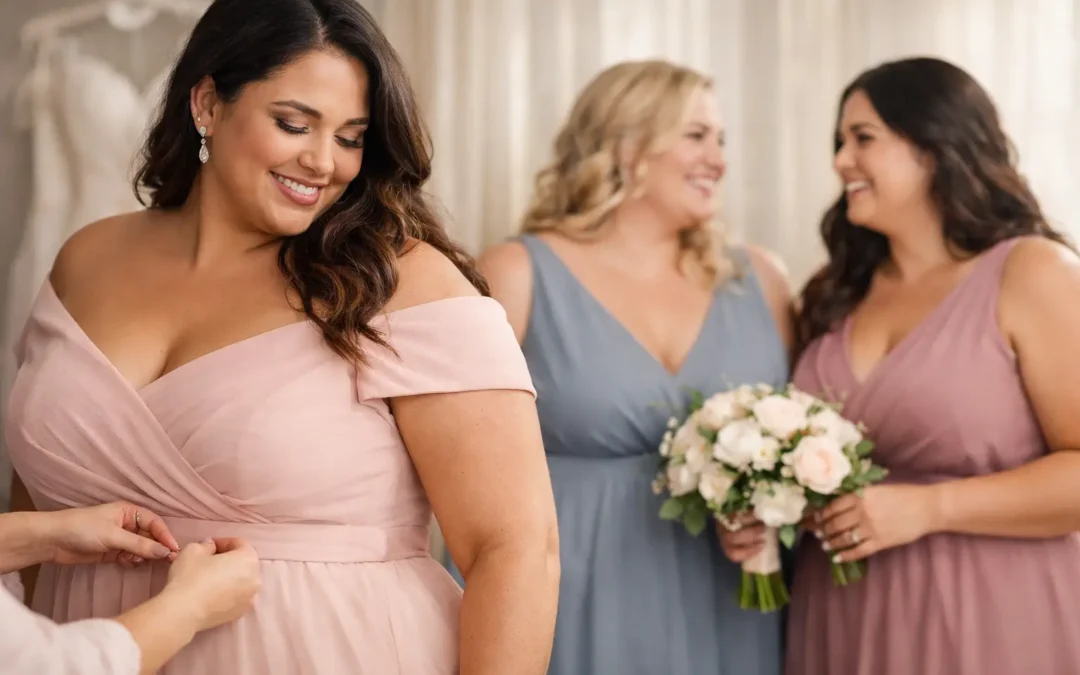
The group chat goes quiet the moment dress options come up. One bridesmaid worries about clingy fabric, another has a fuller bust, someone else is between sizes, and suddenly a fun part of wedding planning feels harder than it should. A good plus size bridesmaid guide takes the stress out of that moment by focusing on fit, comfort and style choices that work in real life, not just in campaign photos.
Bridesmaid dressing should feel inclusive from the start. That means looking beyond whether a dress is technically available in extended sizing and paying closer attention to shape, support, fabric and how each bridesmaid wants to feel on the day. The best result is not forcing everyone into one silhouette. It is creating a bridal party look that feels polished, flattering and consistent, while still allowing room for different bodies.
What makes a plus size bridesmaid guide actually useful
The biggest mistake in bridesmaid shopping is treating size as the only issue. Size matters, of course, but proportion matters just as much. Two women can wear the same size and need completely different dress features. One may want more support through the bust, while another cares most about arm coverage or waist definition.
That is why the most useful approach starts with the details that change how a dress sits and moves. Necklines, strap width, waist placement, skirt shape and fabric weight all affect fit. If a dress looks lovely on a hanger but digs in at the waist or offers no support up top, it will not feel elegant for long.
Comfort also deserves more attention than it usually gets. Weddings are long days. Bridesmaids are sitting, standing, hugging, walking, dancing and being photographed from every angle. A dress that needs constant adjusting will always show in the wearer’s confidence.
Start with shape, not just size
When choosing bridesmaid dresses, it helps to begin with silhouettes that tend to offer flexibility. A-line dresses are often a strong choice because they define the upper body and skim over the hips without clinging. Wrap-style designs can also work beautifully, especially when the waist tie is placed well and the neckline offers enough coverage.
Empire lines can be flattering for some bridesmaids, particularly if they want less emphasis on the waist, but they can also sit awkwardly if the bust fit is off. Fitted mermaid or bodycon shapes can look striking, though they rely more heavily on exact measurements and fabric stretch. They suit some bridal parties perfectly, but they are less forgiving if different body shapes need different kinds of support.
A practical middle ground is often the most elegant one. Structured bodices, soft skirts and shapes that define rather than squeeze usually create the most balanced fit. If the bride wants a cohesive look without making everyone identical, choosing one colour and letting bridesmaids select from two or three approved silhouettes is often the easiest path.
The best necklines and sleeves for balance
Necklines can completely change how a dress feels. V-neck styles are a popular option because they lengthen the neckline and can flatter a fuller bust without looking too covered up. Square necklines offer a clean, modern finish and can provide a bit more structure through the chest. Sweetheart shapes are softer and more romantic, though they may need better internal support depending on the dress construction.
Off-the-shoulder styles look glamorous, but they are not always the easiest for movement. If your bridesmaids will be lifting bouquets, helping with children or dancing late into the night, this style can feel restrictive. One-shoulder dresses can be very flattering and visually balancing, especially in satin or chiffon, but again, support and strap placement matter.
Sleeves are often treated like a compromise, but they should not be. Soft flutter sleeves, draped sleeves or sheer long sleeves can look incredibly elegant while offering coverage many bridesmaids genuinely prefer. The key is avoiding stiff or tight sleeves that cut across the upper arm. The right sleeve should feel intentional, not apologetic.
Fabric can make or break the fit
Fabric is where many online bridesmaid decisions go right or wrong. Heavier satins can create beautiful drape and a more elevated finish, but they also show tension if the fit is too snug. Chiffon is lighter and often easier to wear, especially for outdoor or warm-weather weddings, though it can feel less structured unless the bodice is well made.
Stretch fabrics offer comfort, but too much stretch can highlight areas a bridesmaid may prefer to skim over. Matte fabrics tend to be more forgiving than highly glossy ones, while ruching can be very effective for shaping and softening the waistline. That said, excessive gathering in the wrong place can add bulk rather than flatter.
This is where product details matter. Look for notes on lining, zip placement, bust structure and whether the fabric has any give. A polished finish comes from the combination of fit and fabric, not from colour alone.
A plus size bridesmaid guide to measurements and ordering
Sizing varies between brands, so relying on a usual clothing size is risky. For bridesmaid dresses, measurements should lead every decision. Bust, waist and hips all matter, but so does length, especially for maxi styles and different heel heights.
If one measurement places a bridesmaid in a larger size, it is usually safer to size up and alter down if needed. This is particularly true for formal dresses with less stretch. It can feel counterintuitive, but a slightly roomier dress is easier to refine than one that is too tight through the bust or hips.
Ordering early also gives everyone more breathing room. Delays, exchanges and minor alterations are much easier to manage when the wedding is not just around the corner. For bridal parties shopping online, this matters even more. Clear size charts, practical support and a strong range in occasionwear sizes can make the process much smoother, which is one reason many shoppers prefer a specialist boutique such as Chic Evening Dresses rather than a general fashion retailer.
Matching versus coordinated bridesmaid looks
Not every bridal party needs to be in the exact same dress. In fact, a coordinated approach often works better in plus size bridesmaid styling because it allows each woman to choose a cut that suits her shape while still fitting the wedding aesthetic.
The simplest version is same colour, same fabric, different neckline or sleeve. Another option is keeping the silhouette similar while allowing slight variation in bodice detail. This creates consistency in photos without sacrificing comfort or confidence.
If the bride strongly prefers matching dresses, choose a style with broad appeal. Look for adjustable features, forgiving skirt shapes and a neckline that works across different bust sizes. The more structured and fitted the style, the less likely it is to suit everyone equally.
What bridesmaids often worry about most
Most plus size bridesmaids are not asking for a dress that hides them. They want a dress that fits properly, photographs well and lets them enjoy the day without feeling self-conscious. That often means support through the bust, enough room across the hips, flattering coverage through the upper arms and a waistline that feels comfortable after hours of wear.
Shapewear may help some bridesmaids, but it should not be required to make a dress wearable. The dress itself should do most of the work. Lining, boning, bra-friendly straps and thoughtful cuts matter far more than trying to fix a poor fit underneath.
It also helps to be realistic about personal preferences. Some bridesmaids love a fitted satin gown. Others feel better in a softer chiffon style with movement. Neither is more correct. The best bridesmaid dress is the one that suits the event and allows the wearer to feel like herself, just more polished.
Colour, finish and the final look
Darker tones are often recommended for plus size dressing, but that advice is too narrow. Deep emerald, navy, plum and black can be stunning, yet soft sage, dusty rose, terracotta and muted blue can be equally flattering when the cut is right. Colour should support the wedding palette first, then the fabric and silhouette should do the rest.
If a fabric is very shiny, the fit needs to be especially good. Matte finishes are usually easier for group dressing because they create a more even look across different body shapes. Texture can also help. Pleating, draping and layered fabrics can add interest without relying on a tricky cut.
Accessories should finish the look, not fight with it. Comfortable shoes, supportive undergarments and jewellery that suits the neckline are enough. Once the dress fits beautifully, the rest becomes much easier.
The right bridesmaid dress does not ask anyone to shrink, compromise or spend the entire reception adjusting straps. It should feel elegant, comfortable and worthy of the occasion. When you shop with shape, fabric and real wearability in mind, the whole bridal party looks more confident, and that always shows.
