 FREE DELIVERY $180+ AUD
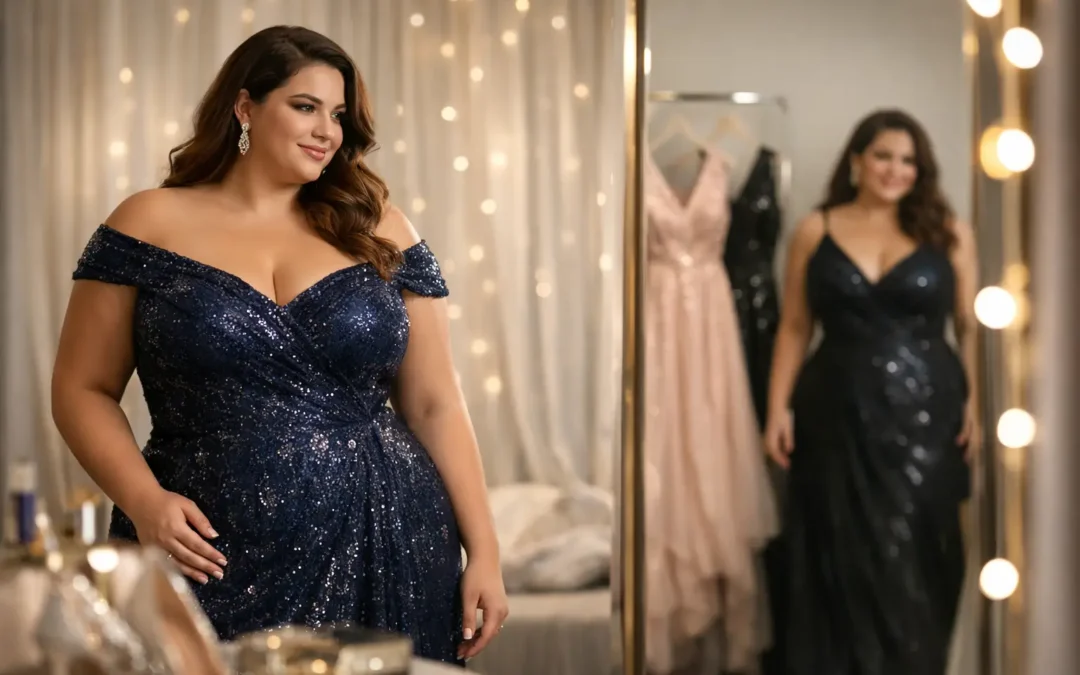
A gown can look stunning on the hanger and still feel wrong the moment you sit down, lift your arms or see yourself in event lighting. That is why a useful plus size evening gowns review should look beyond colour and first impressions. The right choice is one that suits the occasion, celebrates your shape and lets you enjoy the night without constantly adjusting your neckline, hem or straps.
For a wedding, formal, black-tie dinner or milestone celebration, eveningwear needs to work hard. Fabric, structure, sizing and delivery timing all matter just as much as the style you save to your favourites.
What makes a plus size evening gown worth choosing?
A great evening gown does not rely on one so-called flattering silhouette. Every woman has different proportions, preferences and comfort levels. Instead, look for a dress with considered construction: supportive straps, a secure bodice, room through the hips and a skirt that moves naturally as you walk.
The best option depends on the event. A floor-length gown in satin or sequins can feel perfectly at home at a formal ball, while a flowing chiffon maxi dress may be a more comfortable choice for a garden wedding or warm-weather reception. If the invitation says cocktail, a refined midi can offer the same sense of occasion without feeling overdressed.
It is also worth considering what makes you feel most like yourself. Some women prefer a defined waist and fit-and-flare skirt; others love the sleek line of a column gown. Neither is more correct. Confidence tends to come from a fit that feels secure and a style you will not be second-guessing all evening.
Plus size evening gowns review: fit comes first
Fit is the deciding factor in almost every gown review. Size labels vary between styles and manufacturers, so choosing by your usual dress size alone can lead to disappointment. Take fresh measurements of your bust, waist and hips, then compare them with the size guide provided for the gown you are considering.
When one measurement falls between sizes, the fabric and construction should guide your decision. Stretch jersey, soft mesh and some knit fabrics can offer more flexibility. Structured satin, woven crepe and heavily embellished styles usually have less give, so sizing up may be the more comfortable option. A dress that is slightly generous can often be altered, while a too-tight bodice has limited room to move.
Pay close attention to the area that needs the most room. For some women it is the bust, for others the hips, upper arms or waist. A fitted gown should feel secure, not restrictive. You should be able to sit, reach for a drink, dance and take a full breath without pulling at the fabric.
Details that can make a real difference
Supportive details are not just practical extras. They can change how a dress sits and how confident you feel in photographs. Adjustable straps allow you to refine the bodice position, while a lace-up back can create a more personalised fit. A built-in bra cup may provide light support, although it may not replace your preferred bra for every bust shape.
Sleeves and coverage are equally personal. Off-the-shoulder sleeves create a romantic look but can limit arm movement slightly, particularly in a fitted style. Flutter sleeves and draped sleeves offer softer coverage, while long sleeves can feel elegant for winter events. If you are choosing a strapless gown, look for a firm, well-structured bodice rather than relying on constant readjustment.
Fabrics and finishes: beautiful, but practical
Fabric affects the way a gown drapes, photographs and feels after several hours of wear. Chiffon is lightweight and forgiving, making it a lovely option for flowing skirts and layered designs. It works especially well for weddings, outdoor occasions and events where you expect to be on your feet.
Satin offers a luminous finish that feels instantly dressy. The trade-off is that it can show fit lines more clearly and may have less stretch, depending on the blend. A satin gown with ruching, a wrap-style bodice or a softly gathered waist can add shape while keeping the look refined.
Sequins and beading bring impact for evening functions and formals. They also add weight, so check how the dress is lined and whether the embellishment sits comfortably around the underarms. A fully lined sequin gown generally feels better against the skin and helps the dress fall smoothly.
Jersey and stretch crepe are excellent options when comfort is high on your list. They can skim the body beautifully, but a close-fitting style may call for carefully chosen underwear. Smooth, supportive shapewear is optional, not compulsory. If you wear it, choose a piece that allows you to breathe and sit comfortably rather than one that changes how you move.
Choosing a silhouette for the occasion
An A-line gown is a reliable choice when you want definition through the bodice with ease through the skirt. It suits many body shapes and gives you room to walk and dance, making it a popular style for weddings and school formals.
Wrap-inspired gowns and draped bodices draw the eye towards the waist and create soft shape through the torso. They are ideal when you want a feminine look that does not feel overly structured. For a more dramatic entrance, a mermaid or trumpet silhouette follows the body before flaring below the knee. This style can be striking, although it may feel less flexible on stairs or a busy dance floor.
A high split can add movement to a full-length gown, especially in chiffon or satin. Consider the height of the split and the setting of your event. A more modest split may be the better fit for a family wedding, while a bolder detail can suit a gala, party or formal night out.
Colour deserves a practical review too. Deep navy, emerald, burgundy and black remain elegant choices for evening events, while blush, sage, dusty blue and soft floral prints can feel beautiful for daytime weddings. If you are part of a bridal party, check the requested colour carefully, as shades can look different between fabrics and screens.
The online checks to make before ordering
Shopping online gives you more choice in extended sizing, including styles available from size 8 to 30, but a few checks help make the process simpler. Read the full product description rather than relying only on images. Look for notes on fabric stretch, lining, closures, adjustable features and dress length.
Review the model information where available, particularly the size worn and the model’s height. This can provide a useful visual reference, though your own measurements should always be the final guide. Customer photos can also help you picture how a fabric falls in natural lighting and how a gown looks on different body shapes.
Before placing your order, factor in delivery time and leave room for alterations if needed. Ordering early is particularly sensible for bridesmaids, school formals and weddings, where last-minute changes create unnecessary stress. At Chic Evening Dresses, customers can browse occasion styles with size-inclusive options and practical support designed to make the selection process feel more manageable.
Styling the finished look
The gown is the centrepiece, so accessories should support it rather than compete with it. A beaded or sequin dress often needs only simple earrings and a compact clutch. A clean satin or crepe gown gives you more room to introduce statement jewellery, a metallic heel or a textured wrap.
Choose shoes with the venue in mind. Stilettos may suit a formal indoor function, while block heels can be more comfortable for grass, uneven paths or a long reception. If you are having your gown hemmed, take your event shoes to the fitting so the length is right from the beginning.
Most importantly, give yourself a proper try-on before the event. Wear the underwear, shoes and accessories you plan to use, then sit, walk and move around the house. The best gown is not simply the one that looks lovely in a mirror. It is the one that lets you arrive feeling polished, comfortable and ready to enjoy every photo, toast and dance.
