 FREE DELIVERY $180+ AUD
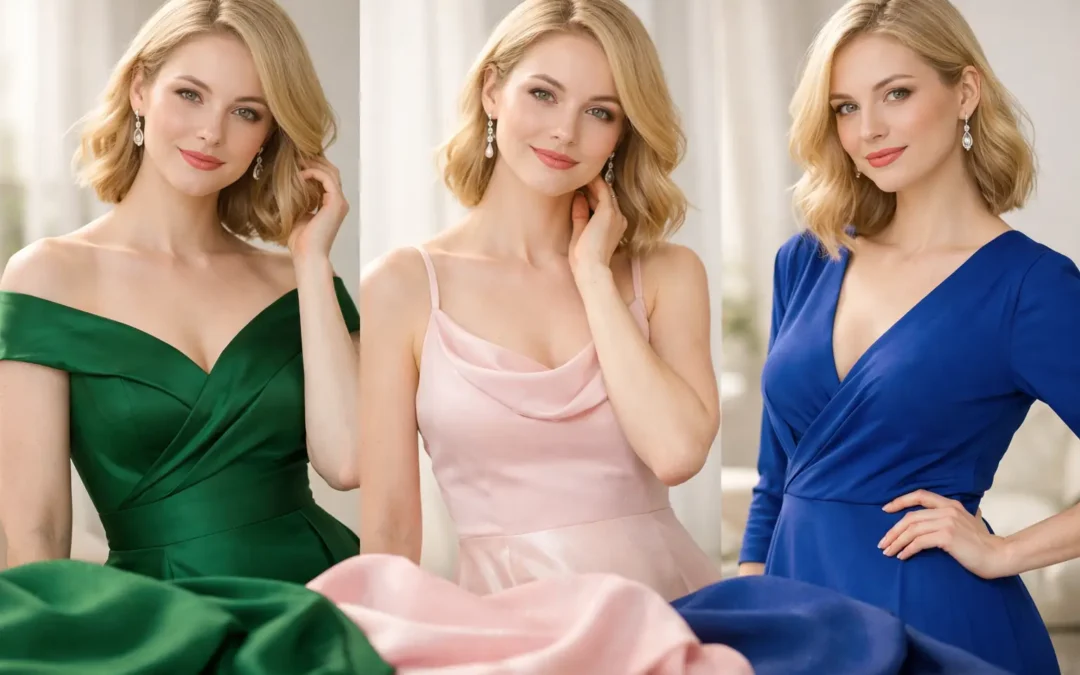
Choosing a dress for an event is exciting until you are faced with a colour you love on the hanger but are unsure about in the mirror. If you are wondering what colour suits fair skin, the answer is not one single shade. The most flattering choice comes down to your undertone, hair colour, the event and, most importantly, the colour that makes you feel polished and comfortable.
For evening dresses, formal gowns and bridesmaid styles, colour can make a beautiful silhouette look even more considered. A well-chosen shade can brighten your complexion, bring out your eyes and give you that confident, ready-for-photos feeling.
What colour suits fair skin best?
Fair skin often looks beautiful in colours with enough depth or clarity to create gentle definition. Think rich jewel tones, soft romantic pastels and sophisticated neutrals rather than shades that sit too close to your natural skin tone.
That said, fair skin can have cool, warm or neutral undertones. Cool undertones may appear slightly rosy, pink or bluish, while warm undertones can look peachy, golden or yellow. Neutral undertones sit somewhere in between. You do not need to get overly technical about it, but knowing your undertone gives you a helpful starting point when choosing an occasion dress.
A simple test is to hold a few different fabrics near your face in natural daylight. The right colour tends to make your complexion look fresher and more even. A less flattering shade can make you look washed out, overly pink or tired, even when the dress itself is gorgeous.
Rich colours that create a striking contrast
Deep, elegant colours are a reliable choice for fair complexions, especially for evening weddings, black-tie functions and school formals. They add contrast without looking harsh and photograph beautifully in low light.
Emerald, forest green and teal
Green is often an excellent choice for fair skin. Emerald and forest green have a luxurious feel for winter events, while teal offers a brighter blue-green option that works across many seasons. These shades are particularly lovely with auburn, blonde and brunette hair because they add colour without competing with your features.
For a formal event, an emerald maxi dress with simple gold or silver accessories can feel classic yet memorable. If emerald feels too dramatic, try a softer sage or muted eucalyptus green for a daytime wedding or garden celebration.
Navy, cobalt and royal blue
Blue is one of the easiest colours to wear when you have fair skin. Navy is refined, flattering and a practical alternative to black for evening occasions. Cobalt and royal blue bring more energy, making them ideal if you want your dress to stand out in a room full of neutrals.
Cool-toned fair skin often suits clear blues especially well, while warmer fair skin may prefer navy or petrol blue. If you are choosing a bridesmaid dress, navy is also a versatile colour that works beautifully across a bridal party with different complexions.
Burgundy, wine and berry tones
Burgundy, plum, mulberry and deep berry shades bring warmth and softness to fair skin. They feel dressed up without being as intense as a bright red, which makes them a lovely option for formal dinners, autumn weddings and evening celebrations.
A wine-coloured satin or chiffon dress can look especially elegant against fair skin. Choose a berry shade with a cooler blue base if your skin has pink undertones, or a warmer burgundy if your complexion leans golden.
Soft colours for a romantic occasion look
Pastels can be very flattering on fair skin, but the depth of the colour matters. Extremely pale shades may blend into your complexion, particularly under bright event lighting. Choosing a pastel with a little more pigment is usually the most flattering route.
Dusty rose, blush and mauve
Pink is a natural choice for weddings, engagement parties and bridesmaid dresses. Dusty rose and mauve are more forgiving than very pale baby pink because they offer a little contrast while keeping the look soft and feminine.
Cool fair skin often looks lovely in mauve, rose pink and raspberry. Warm fair skin can shine in peach blush, salmon pink or coral-leaning rose. If you are unsure, dusty rose is a beautifully balanced option that suits many undertones.
Lavender, lilac and soft violet
Lavender and lilac can bring out the brightness in fair skin, particularly when your undertone is cool or neutral. These shades have a modern romantic quality that works well for a spring wedding, formal or birthday event.
For more coverage or a more formal dress code, choose a deeper violet or soft plum rather than a very pale lilac. The extra depth gives the dress a more evening-appropriate finish while still keeping the colour light and feminine.
Powder blue and periwinkle
Soft blue is polished, calm and easy to accessorise. Powder blue can look beautiful on fair skin with cool undertones, while periwinkle offers a little more depth and a touch of purple. Both are fresh choices for daytime events and bridesmaid styling.
Neutrals to choose with care
Neutral dresses can look incredibly chic, but fair skin benefits from selecting the right version of each neutral. Black is timeless and works for nearly every evening event, especially when paired with jewellery, a defined neckline or a flattering fabric such as satin, sequins or chiffon. It creates contrast and gives an instantly formal finish.
Cream, ivory and nude shades require a little more thought. For wedding guests and bridesmaids, avoid anything that could be mistaken for bridal white unless the couple has specifically requested it. Beyond wedding etiquette, very pale beige or nude dresses can blend into fair skin. A deeper caramel, mushroom, taupe, mocha or champagne shade usually creates a more flattering definition.
Grey can work beautifully too. Charcoal offers contrast, while dove grey is softer and understated. If pale grey makes you feel washed out, add colour through earrings, a clutch or lipstick rather than ruling out the dress straight away.
Colours that may need styling adjustments
There are no forbidden colours, but a few shades can be trickier depending on your undertone. Bright yellow can emphasise sallowness in some fair complexions, while icy pastels may lack contrast. Very pale peach, beige and cream can have the same effect.
Red is another colour that depends on the individual. A vivid orange-red can overpower cool, rosy fair skin, whereas cherry red, cranberry and ruby often look striking. If you love a bold warm red, wear it with confidence and balance it with simple accessories and natural makeup.
The key is to judge the complete look, not just the dress colour in isolation. Your hair, makeup, tan, jewellery and the event lighting all change the effect. A shade that feels too soft on its own may look perfect once you have added a defined lip colour or a pair of statement earrings.
Match your dress colour to the event
The occasion gives you useful direction. For a black-tie evening event, jewel tones, navy, black, burgundy and deep plum are elegant choices. For a daytime wedding, sage green, dusty rose, periwinkle and soft blue feel appropriate and photograph beautifully outdoors.
School formals are a chance to choose a colour with more personality. Cobalt, emerald, raspberry and metallic navy can make a memorable statement, while a sophisticated black or wine gown will always feel special. Bridesmaids may need to work within a chosen palette, but fabric and undertone can still make a significant difference. A dusty rose in chiffon, for example, will look different from the same colour in glossy satin.
Use fit and fabric to make your colour shine
Even the most flattering colour needs a dress that feels good to wear. Satin reflects light and makes rich colours look more luminous, while chiffon softens pastel shades and offers graceful movement. Sequins and beading can make darker colours feel especially festive for an evening function.
When shopping online, use product images as inspiration but remember that screen settings can alter colour. Check the shade name, fabric description and size guide, then consider when and where you will wear the dress. Selecting a style that fits comfortably across the bust, waist and hips will always do more for your confidence than chasing a colour rule.
At Chic Evening Dresses, the best dress is one that suits your event, your shape and your personal style. Start with the shades that brighten your complexion, then choose the one that makes you want to make plans just to wear it.
