 FREE DELIVERY $180+ AUD
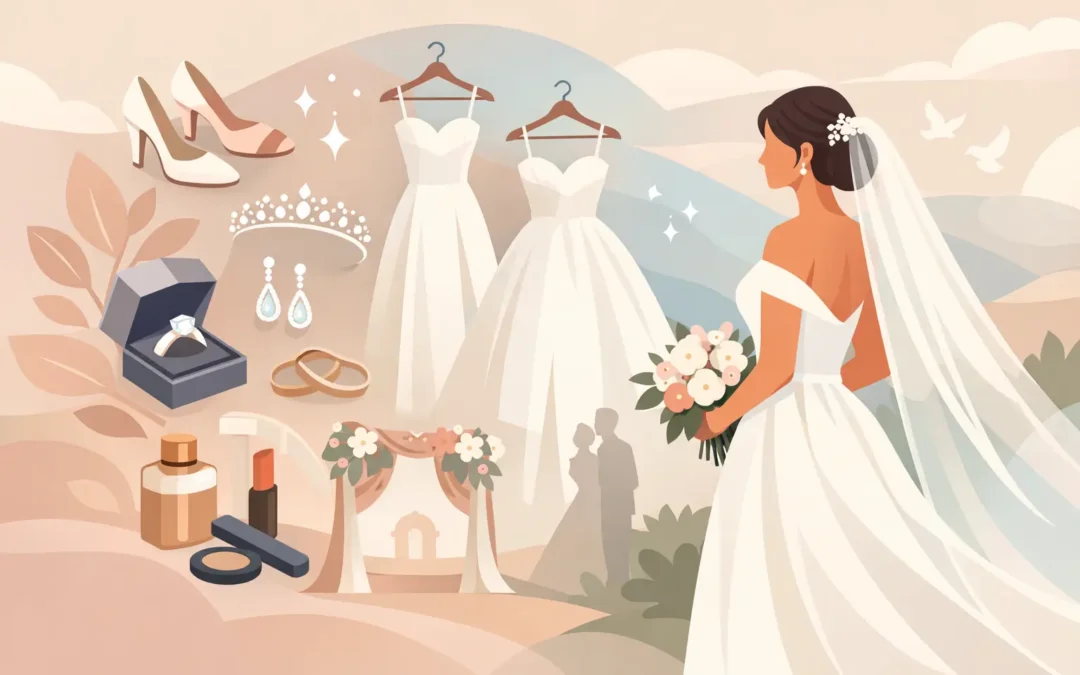
The question sounds simple, but what do brides wear is really about matching the outfit to the moment. A beach ceremony in Noosa calls for something very different from a formal ballroom wedding in Melbourne, and a registry office celebration has its own dress code again. Most brides still choose a bridal gown, but the shape, fabric, length and styling can vary widely depending on the venue, season, budget and personal taste.
For many brides, the goal is not to wear what is traditional for tradition’s sake. It is to find something that feels elegant, flattering and right for the day ahead. That could mean a full satin gown with a train, a sleek crepe silhouette, a modern mini for a city wedding or even a second outfit for the reception. The best bridal look is the one that suits the setting and helps you feel confident from the first photo to the last dance.
What do brides wear for different wedding styles?
Bridalwear has broadened well beyond one standard look. While the classic white or ivory gown remains the most popular choice, today’s bride has far more flexibility in how formal, structured or fashion-forward she wants to be.
A traditional wedding usually calls for a floor-length gown. This might be an A-line dress, a fitted mermaid shape, a ball gown or a soft sheath. Fabrics such as satin, lace, tulle, chiffon and crepe are common because they photograph beautifully and feel suitably special. Details like long sleeves, a train, embellished bodice or button-back finish can make the look feel more formal.
For a relaxed garden or coastal wedding, brides often lean towards lighter fabrics and easier movement. Think soft chiffon, draped tulle or simpler silhouettes that work with the breeze and natural setting rather than against it. In warmer parts of Australia, comfort matters. Heavy layers and stiff corsetry can look beautiful, but they are not always practical for an outdoor ceremony in summer.
A city wedding or modern venue often opens the door to cleaner, sharper styling. Brides may choose minimalist satin gowns, square necklines, fitted column dresses or fashion-led separates. These styles can feel polished without being overly ornate. They also suit brides who want their outfit to look timeless rather than heavily embellished.
Then there are non-traditional options. Some brides wear a midi dress, a mini dress, a bridal jumpsuit or a two-piece set. These looks are especially popular for courthouse weddings, second weddings, engagement parties or reception outfit changes. They can also be a smart choice for brides who want a more comfortable or budget-friendly option without losing that special occasion feel.
The key pieces brides usually wear
When people ask what do brides wear, they are usually thinking about the dress first. Fair enough – it is the centrepiece. But the full bridal look is made up of several pieces, and each one changes the overall effect.
The bridal gown or main outfit
This is the hero piece, and it sets the tone for everything else. A formal gown creates a different mood from a modern mini or sleek slip dress. The cut matters just as much as the style. An A-line shape is a favourite because it is flattering on many body types and easy to wear for long hours. A fitted silhouette can look striking, but it often comes with less freedom of movement. Ball gowns deliver drama, though they can feel heavier and take up more space.
The right choice depends on what matters most to you. If comfort is the priority, soft fabrics and lighter construction make a big difference. If you want impact in photos, volume, texture and detail often stand out best.
Veil, headpiece or hair accessory
Not every bride wears a veil, but many do because it adds a clear bridal finish. A cathedral veil feels formal and dramatic, while a fingertip or shoulder-length veil is easier to manage. For a modern look, some brides skip the veil and choose a headband, pearl clip, bow or statement comb instead.
This is where personal style comes through. If your dress already has heavy embellishment, a simpler hair accessory often works better. If the gown is clean and minimal, a veil or decorative piece can add softness and interest.
Shoes
Bridal shoes need to look good, but they also need to survive the day. Heels are still common, especially for formal weddings, though block heels, low heels and flats are increasingly popular. Outdoor weddings often make stilettos difficult, while long receptions can make very high heels feel like a bad decision by dessert.
Many brides now choose one pair for the ceremony and another for the reception. That is not overdoing it – it is practical. If you plan to stand for long periods, walk on grass or dance all night, comfort should be part of the decision.
Jewellery and finishing touches
Jewellery is usually the final layer rather than the starting point. Earrings, a bracelet, delicate necklace or wedding gloves can all work, but the best styling depends on the neckline and detail of the dress. A heavily beaded gown may need very little added to it. A simple satin gown can handle a more noticeable earring or bracelet.
Brides also think about shapewear, robe choices for getting ready, and sometimes a second jacket or wrap for cooler weather. These details may seem small, but they can affect both comfort and photos.
Choosing a bridal look that suits your venue and season
One of the easiest ways to narrow your options is to think about where and when the wedding is happening. A gown that feels perfect in a formal indoor venue may feel out of place at a winery, and a winter wedding outfit may be too heavy for a Queensland afternoon.
For summer weddings, lighter fabrics usually feel better and move more naturally. Sleeveless styles, lower backs and softer linings can make a real difference in the heat. For autumn or winter weddings, brides often look for more structure, sleeves or layering options. Satin, mikado and heavier crepe can feel more seasonally appropriate and hold their shape well.
Venue matters just as much. Grand venues tend to suit more formal gowns, trains and veils. Beach and garden settings often call for less weight, less fuss and easier movement. If you need to walk over sand, gravel or uneven ground, this is not the day to ignore practicality.
Size, fit and confidence matter more than trends
Bridal trends come and go, but fit is what makes a dress feel right. A style can be beautiful on the hanger and completely wrong once it is on, or surprisingly perfect when you try something you had not considered.
This is especially important for brides shopping across a broad size range. A good bridal retailer should offer elegant options that do not narrow dramatically once you move into extended sizing. Shape, support and proportion matter, and so does having enough choice to reflect your style rather than forcing you into whatever happens to be available.
It is worth paying attention to size charts, fabric stretch and garment construction before ordering. Occasionwear can fit very differently from everyday clothing. If a gown is structured through the bust or waist, accurate measurements are essential. If the fabric has little give, you need to allow for movement and comfort, not just a close fit.
Do brides have to wear white?
No, but many still do. White and ivory remain the most recognisable bridal colours because they feel timeless and photograph well. Ivory is often more forgiving against a wider range of skin tones, while bright white can feel crisp and modern.
That said, some brides choose soft champagne, blush, floral detailing or subtle shimmer. Others wear coloured shoes, a statement lip or a second reception dress that shifts the mood entirely. If you love tradition, lean into it. If you want a modern edge, there is room for that too.
The trade-off is tone. A highly traditional ceremony may suit a classic bridal palette more naturally, while a fashion-forward celebration gives you more space to experiment. Neither is better. It just depends on the atmosphere you want to create.
What Australian brides are choosing now
Australian brides often want a balance of elegance and ease. That means styles that look elevated without feeling overworked, and outfits that can handle warm weather, outdoor venues and long celebrations. Clean satin gowns, fitted crepe dresses, soft A-line silhouettes and modern minimalist shapes are especially popular because they feel current without dating quickly.
There is also more interest in flexible bridal dressing. A bride might choose one look for the ceremony and a second for the reception, or keep the same gown and change the styling with different shoes, jewellery or a detachable overskirt. This approach gives you more movement and a different feel later in the day without needing a completely separate wardrobe.
For brides shopping online, practicality is part of style. Clear sizing, accessible pricing, extended size options and fast Australian delivery all matter because they reduce stress around a major purchase. That is one reason boutiques like Chic Evening Dresses appeal to brides who want beautiful occasionwear without unnecessary complication.
The best bridal outfit is rarely the one that ticks every trend box. It is the one that fits properly, suits the setting and makes you feel like yourself – just a little more polished, a little more special, and completely ready for the day ahead.
