 FREE DELIVERY $180+ AUD
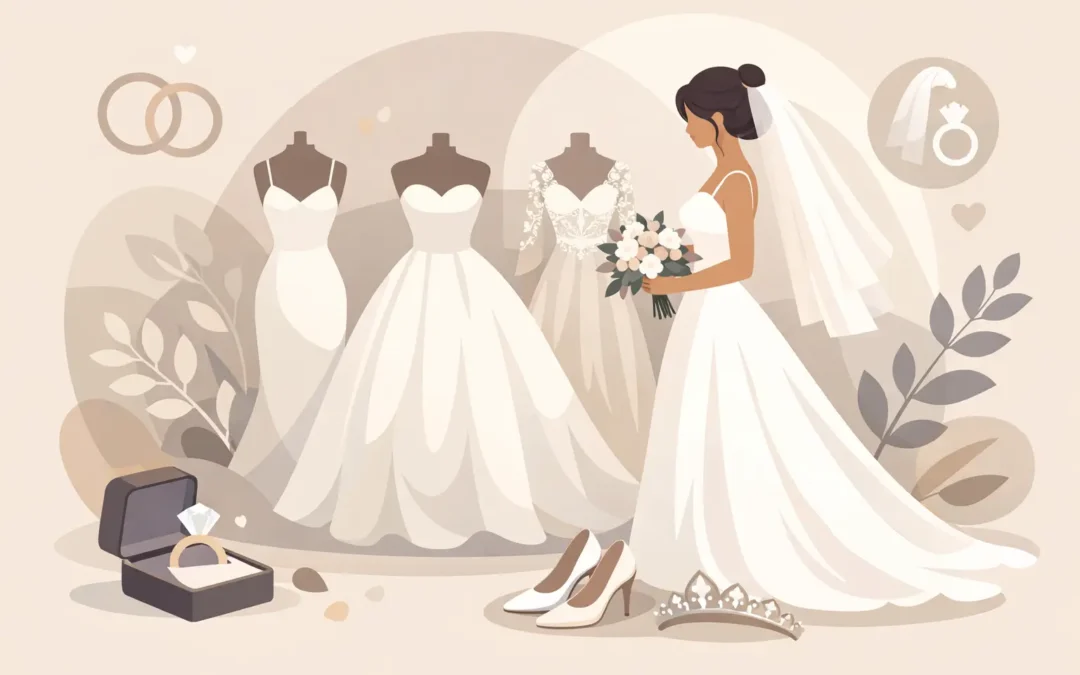
Ask five brides what is bridal gowns, and you will usually get five slightly different answers. That is because the term gets used in everyday shopping, fashion retail and wedding planning in ways that overlap. In simple terms, bridal gowns are formal dresses designed specifically for a bride to wear as part of her wedding celebrations, most commonly for the ceremony itself.
That sounds straightforward, but the details matter when you are shopping. Not every white formal dress is a bridal gown, and not every bridal look has to be a full traditional ball gown. If you are trying to work out what qualifies as a bridal gown, what styles sit under the category, and how to choose one that feels right for your day, it helps to look at the term the way a bridal boutique does – with equal focus on style, purpose, fit and practicality.
What is bridal gowns in simple terms?
Bridal gowns are wedding dresses made for the bride. They are usually more formal, more detailed and more occasion-specific than standard dresses. While the phrase is not perfect grammar in everyday use, people often search it when they want to understand the category itself rather than one single dress.
A bridal gown is typically defined by its role. It is chosen for a wedding event and designed to reflect the significance of that moment. That often means elevated fabrics, special finishes, a more considered silhouette and details that photograph beautifully. Think lace, satin, tulle, beadwork, structured bodices, flowing skirts and tailored shapes that feel distinctly bridal rather than simply dressy.
In retail terms, bridal gowns sit within a broader bridal wear category. That wider category can include engagement party dresses, rehearsal dinner outfits, reception dresses, second looks and even bridal robes or accessories. The gown is usually the hero piece – the main dress for the ceremony or the most important wedding moment.
Bridal gown vs wedding dress
Most of the time, these two terms mean the same thing. A bridal gown is a wedding dress, and a wedding dress is a bridal gown. The difference is usually about tone rather than product category.
“Wedding dress” is the more common everyday phrase. It feels simple and direct. “Bridal gown” sounds slightly more formal and fashion-led, which is why boutiques and designers often use it. The word “gown” suggests a higher level of formality, structure or occasionwear styling.
That said, there is some flexibility. A short civil ceremony dress can still be a bridal gown if it is designed and chosen as the bride’s main wedding look. On the other hand, a long white satin dress sold for general formalwear might not be considered a bridal gown unless it is being marketed and styled for bridal use. Context matters.
What makes a dress a bridal gown?
A bridal gown is not defined by colour alone. White, ivory and soft neutrals are common, but what really sets it apart is the combination of design intention and occasion.
First, the dress is made or selected for the bride, not just for a formal event. Second, it usually carries details that feel ceremonial. That could be a train, corsetry, lace appliqué, draping, a dramatic skirt, covered buttons or a neckline designed to stand out in photos. Third, it tends to reflect the tone of the wedding itself, whether that is classic, modern, minimalist, romantic or glamorous.
Price does not determine whether something is a bridal gown. A gown can be affordable and still feel beautifully bridal. What matters more is whether it delivers the shape, finish and presence a bride wants on the day.
Common styles of bridal gowns
There is no single look that defines bridal. Some brides want volume and drama, while others prefer clean lines and soft movement. The right style depends on the venue, the dress code, the season and, most importantly, what feels like you.
Ball gown bridal gowns
This is the classic bridal silhouette many people picture first. A fitted bodice with a full skirt creates a formal, traditional look. It suits grand venues, statement entrances and brides who want that unmistakable wedding-dress moment. The trade-off is that a fuller skirt can feel heavier and less practical for smaller spaces or relaxed celebrations.
A-line bridal gowns
A-line gowns are fitted through the bodice and gently flare from the waist. They are one of the most versatile options because they flatter a wide range of body shapes and feel bridal without being overly dramatic. If you want elegance with comfort and movement, this style is a strong all-rounder.
Fit and flare or mermaid gowns
These styles contour the body through the hips and then flare out lower down. They can feel sleek, glamorous and very polished. They are especially popular for brides who want shape definition and a more fashion-forward finish. The main consideration is mobility – some fitted gowns can be less forgiving when walking, sitting or dancing.
Sheath and column gowns
These gowns fall closer to the body with a straighter line. They often suit modern weddings, beach ceremonies or minimalist styling. They can look effortless and expensive, especially in satin, crepe or silk-look fabrics. Because the cut is cleaner, the fit needs to be right.
Short bridal dresses and second looks
Not every bride wants a floor-length gown all day. Short bridal dresses are a genuine part of the category now, especially for registry weddings, receptions, elopements and outfit changes. They still count as bridal gowns when they are designed for a bridal moment. For some brides, a second dress adds comfort without losing the special feel.
Fabrics and details that feel bridal
Fabric changes everything. A simple silhouette in the right fabric can look more bridal than a complicated design in the wrong one.
Satin is a favourite for its smooth finish and light-reflecting quality. Lace adds softness and romance. Tulle creates volume without too much weight. Chiffon feels lighter and more relaxed, while crepe gives a cleaner, modern line. Beading, sequins and embroidery can elevate a gown, but it depends on the look you want. More detail is not always better. Sometimes a pared-back gown has more impact.
This is also where comfort comes into the decision. Structured bodices can be flattering and supportive, but they may feel firmer over a long day. Soft fabrics move beautifully, though they may show more creasing. A gown that looks stunning on a hanger still needs to work from ceremony through to photos, dinner and dancing.
Do bridal gowns have to be white?
No. White remains the traditional choice, but bridal gowns now come in ivory, champagne, blush, soft nude tones and even subtle prints or shimmer finishes. Many brides choose warmer shades because they are more flattering on the skin or better suited to the mood of the wedding.
There is also a growing shift towards non-traditional bridal dressing. Some brides wear sleek satin in a softer pearl tone, while others choose a bold reception dress with sparkle or texture. If the dress is for your wedding and it gives you that bridal feeling, it belongs in the category.
How to know which bridal gown is right for you
The best bridal gown is not the one that follows every trend. It is the one that suits your wedding, your body, your comfort level and your budget.
Start with the setting. A cathedral wedding and a garden ceremony usually call for different levels of structure and volume. Then think about how you want to feel. Some brides want drama, some want ease, and some want a balance of both. It also helps to be realistic about movement, weather and wear time. A gown for a summer wedding in Australia needs to work with heat, travel and a full day on your feet.
Fit is just as important as style. A flattering bridal gown should support you well, sit smoothly through the bodice and allow you to move naturally. Size inclusivity matters here, because great bridal style should not be limited by a narrow size range. A broader range gives more women access to silhouettes that feel elegant, comfortable and event-ready.
Budget matters too, and there is no reason to feel apologetic about that. A more accessible bridal gown can still deliver beautiful design, strong fit and a memorable finish. The key is to focus on quality where it shows most – fabric appearance, construction through the bodice and the overall line of the dress.
Why the term matters when shopping online
When you are shopping online, understanding what bridal gowns means helps narrow your search. It tells you that you are looking at dresses intended for the bride, not just formalwear in pale tones. That can make a real difference when comparing silhouettes, fabrics, lengths and styling details.
It also helps set expectations. Bridal gowns are often designed to carry more visual presence than standard occasion dresses. Even a minimalist bridal style usually has a more refined finish, whether that comes from the cut, fabric, train or bodice detailing. If you are browsing a specialist occasionwear boutique such as Chic Evening Dresses, knowing the category helps you compare bridal looks with confidence instead of guessing what is genuinely wedding-appropriate.
A bridal gown does not need to be traditional, expensive or heavily embellished to count. It simply needs to feel right for the bride and right for the moment. If you are choosing yours, trust the style that gives you both confidence and calm – because that is usually the dress that stays with you long after the photos are taken.
