 FREE DELIVERY $180+ AUD
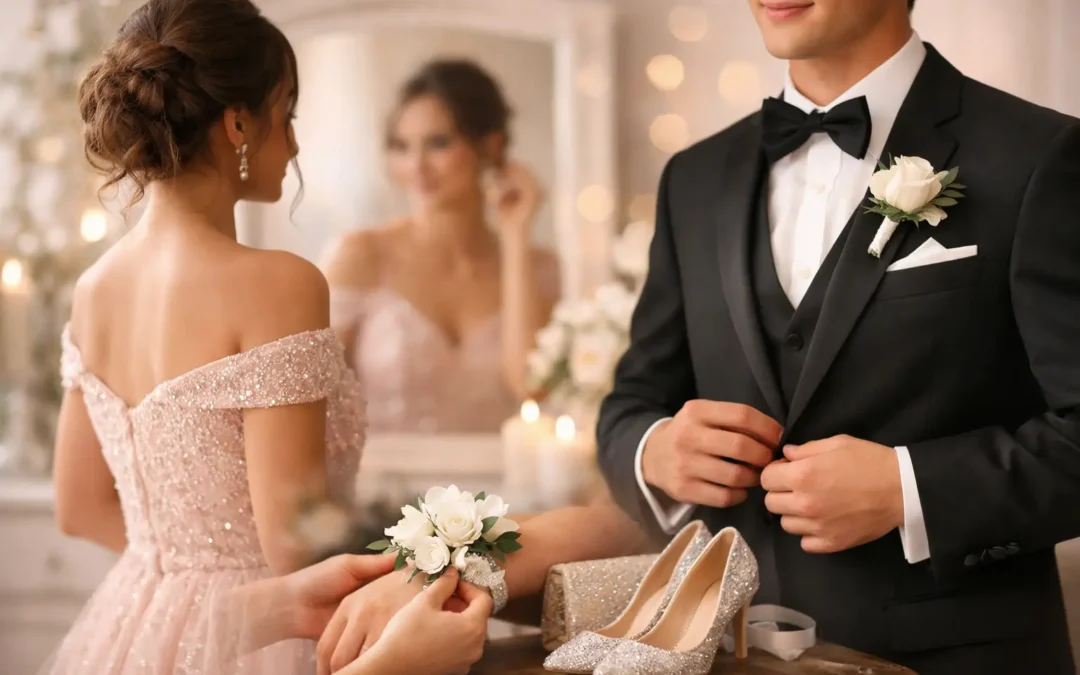
The group chat is buzzing, the date is set, and suddenly the big question feels very real – what to wear to school formal. It is one of those events where you want to look polished, feel comfortable and still look like yourself in every photo. The right outfit does all three, and it starts with choosing a dress that suits the dress code, the venue and your own style.
What to wear to school formal without overthinking it
A school formal usually calls for a dressier look than a party, but that does not mean you need the most dramatic gown in the room. In most cases, a formal dress in a maxi or midi length is the safest choice. It looks event-appropriate, photographs beautifully and gives you plenty of options, whether your style leans classic, modern, fitted or floaty.
The easiest way to narrow it down is to think about balance. If you love sparkle, choose a cleaner silhouette so the overall look still feels elegant. If you want a bold cut-out or a leg split, keep the rest of the styling refined. A formal outfit works best when one element stands out and everything else supports it.
If your school has shared specific guidelines, let those lead the decision. Some formals are very black-tie inspired, while others are a little more relaxed. If there is any doubt, it is better to be slightly more polished than underdressed.
Start with the dress shape
The shape of your dress matters just as much as the colour or fabric. A silhouette that fits well will always look more expensive and more flattering than a trend-driven style that does not sit quite right.
A fitted gown is a popular choice for school formal because it creates a sleek, elevated look without needing much extra styling. It works especially well in satin, stretch crepe or soft jersey, where the fabric follows the body without feeling too stiff. If you want something a little softer, an A-line dress gives you shape through the waist with more movement through the skirt. It is comfortable for sitting, walking and dancing, which matters more than many people expect.
For a romantic feel, look at dresses with draped necklines, off-the-shoulder sleeves or flowing skirts. For a cleaner, modern look, simple column dresses, straight necklines and minimal detailing often have the strongest impact. There is no single correct answer here. The best shape is the one that makes you stand taller the second you put it on.
Maxi, midi or mini?
For most school formals, maxi dresses are the most traditional choice. They instantly read as formal and suit everything from grand venues to hotel ballrooms. Midi dresses can also work beautifully, particularly if the event feels modern or less strict, but they should still feel polished rather than casual.
Mini dresses are more of an it depends situation. At some schools they may be accepted, especially if styled in a sophisticated way, but at others they can look too informal for the setting. If you are considering a mini, check what previous year levels wore and whether your school has expectations around hem length.
Choose a colour that feels special
Colour changes the whole mood of a formal look. Black is always elegant and never out of place, especially if you want something timeless and easy to accessorise. Navy, emerald, burgundy and chocolate also feel rich and formal without being too predictable.
If you prefer lighter tones, soft blue, blush, sage, lilac and champagne can look fresh and refined. These shades are especially popular for spring and summer formals. Bright colours can work too, but the finish matters. A vivid tone in a sleek fabric often looks more elevated than a neon shade in a very casual cut.
Skin tone, hair colour and personal preference all come into play, but confidence matters most. If a colour makes you feel washed out or self-conscious, it is probably not the one. The right shade should make you feel clear, bright and comfortable in your own skin.
Fabric can make or break the look
One of the quickest ways to tell whether a dress feels formal is the fabric. Satin is a favourite for school formal because it catches the light beautifully and gives even simple shapes a dressed-up finish. Chiffon feels softer and more floaty, which suits romantic styles and warm-weather events. Sequins and beading create a statement, but they can be heavier to wear and often need simpler accessories.
Stretch fabrics are worth considering if comfort is a priority. A formal runs for hours, and you will be standing, sitting, eating and dancing. A dress that looks stunning for ten minutes but feels restrictive all night is rarely the best choice.
If you are shopping online, pay close attention to how the fabric falls. Structured materials hold shape well, while softer fabrics skim the body. Neither is better, but they create very different effects.
What to wear to school formal if you do not want a gown
A dress is the classic option, but it is not the only one. If gowns are not your style, a formal jumpsuit or an elegant two-piece set can work, provided it still feels event-appropriate. The key is choosing something with occasionwear details such as tailored lines, satin or crepe fabric, or statement draping.
This option can be especially appealing if you want ease of movement or a more fashion-forward look. Just keep the styling polished. Heels, jewellery and a refined bag help the outfit feel intentional rather than like a nice dinner look.
Shoes, jewellery and the extras
Once the outfit is sorted, accessories should support it, not compete with it. Heels are the standard choice for school formal, but they need to be shoes you can actually wear for a full evening. Block heels, platforms and lower slim heels are often easier than very high stilettos, especially if the venue includes stairs, outdoor paths or long standing periods.
If heels are not realistic, dressy flats or low heels are completely valid. Comfort is not a compromise if the overall outfit still looks polished.
Jewellery depends on the neckline and detail of the dress. A heavily embellished gown usually needs very little beyond earrings or a bracelet. A clean, simple dress can handle more impact, such as a statement earring or layered delicate pieces. Your bag should be small and practical enough for the essentials – mobile, lip gloss, cards and tissues – without feeling bulky.
Hair and makeup should also match the dress rather than trying to outshine it. If the dress is dramatic, softer glam often looks more balanced. If the dress is minimal, a defined eye or sleek hairstyle can add that finished feel.
Fit matters more than trends
Trends move quickly, but fit is what people notice first. A well-fitted dress looks elegant, photographs better and helps you feel more at ease. That is why sizing, bust support, length and fabric stretch all deserve attention before you buy.
If you are between sizes, the right option depends on the dress construction. A fitted satin dress with little stretch may sit better if you size up, while a stretch style may be more forgiving. Curvier shoppers may prefer designs with ruching, structured bodices or adjustable straps for extra shape and support. Size inclusivity is not just a nice extra in formalwear – it changes how easily you can find a style that genuinely works for your body.
When you shop early enough, you also leave room for minor alterations. A hem adjustment or a slight take-in at the waist can transform how a dress sits. That is often the difference between a dress that is nice and one that feels made for you.
Timing your formal outfit purchase
Leaving it late can limit your options, especially in popular colours and sizes. School formal season tends to create strong demand for standout styles, so it is worth shopping with enough time to compare silhouettes, check sizing and organise any alterations if needed.
That does not mean buying the first dress you see. It means giving yourself space to choose properly. Try to think beyond the excitement of the trendiest style on your feed and ask whether you would still love it in photos a year from now.
For Australian shoppers, practical details like delivery speed, return options and size availability can make the buying process much smoother. A specialist formalwear boutique such as Chic Evening Dresses can be helpful here because the range is already focused on occasion dressing rather than everyday fashion.
The best school formal outfit is the one that feels like you
There is a lot of pressure around formal dressing, and it can make people feel like they have to choose between being stylish and being comfortable, or between standing out and fitting in. Usually, the best look sits somewhere in the middle. It feels elevated, suits the occasion and still looks like the person wearing it.
If you are deciding what to wear to school formal, trust the dress that makes you feel confident the moment you put it on. Not the one that needs constant adjusting, and not the one that only works from one angle in the mirror. The right choice is the outfit you can wear all night with ease, knowing you look polished, flattering and completely ready for the occasion.
