 FREE DELIVERY $180+ AUD
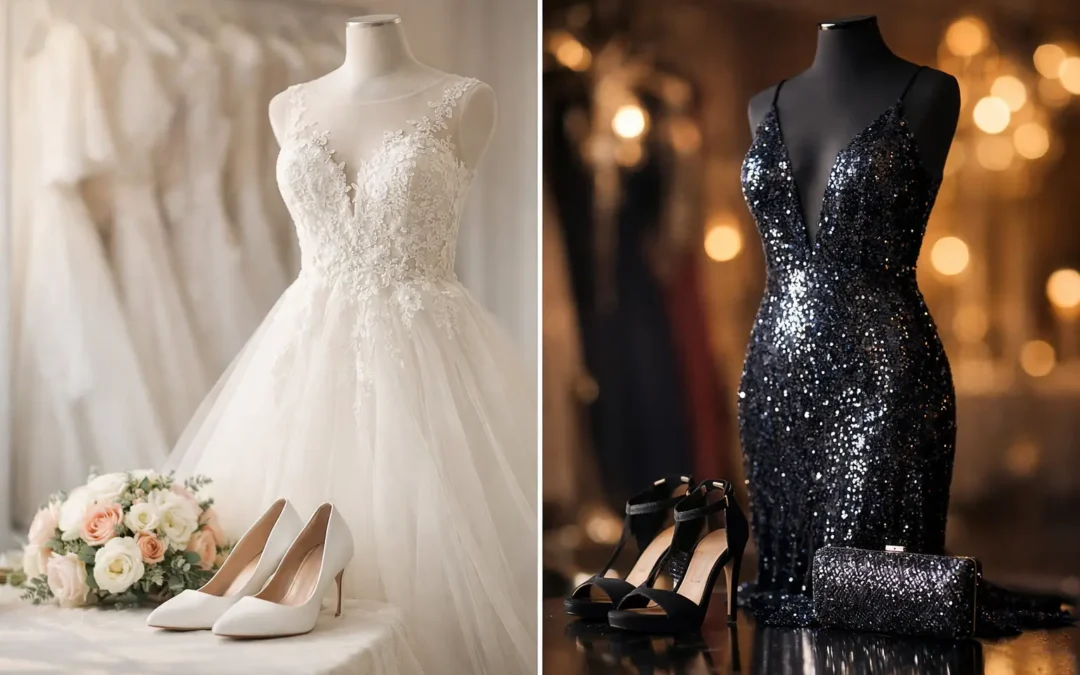
One dress is made for the aisle. The other is made for almost everything after it. When shoppers compare bridal gown vs evening gown, the confusion usually starts with appearance – both can be floor-length, beautifully detailed and undeniably formal. But they are designed for very different moments, and choosing the right one matters for comfort, styling and the overall feel of your event.
If you are shopping for a wedding, formal event or special occasion, understanding the difference can save time and help you buy with confidence. A bridal gown is traditionally created for a bride on her wedding day, while an evening gown is designed for formal occasions such as black-tie events, galas, receptions, school formals and weddings as a guest. That sounds simple, but the details are where the real distinction sits.
Bridal gown vs evening gown: what sets them apart?
The clearest difference is purpose. A bridal gown is centred around a wedding ceremony and all the meaning attached to it. It is usually more ceremonial in design, often with details that photograph beautifully and create a sense of occasion from the moment the bride walks in. Think trains, veils, structured bodices, intricate lace, corsetry and fabrics chosen for drama as much as movement.
An evening gown is built for versatility within formal dressing. It still needs to feel elevated, flattering and event-appropriate, but it is not tied to the same traditions. That gives shoppers more freedom with colour, silhouette, embellishment and styling. A satin slip gown, fitted sequin dress or soft chiffon maxi can all sit comfortably in the eveningwear category without needing bridal elements.
The overlap is real, though. Some modern brides choose sleek white gowns that look closer to evening dresses, especially for registry weddings, receptions or destination celebrations. On the other side, some evening gowns feature enough beading, volume or structure to feel bridal at first glance. The difference is not only how the dress looks – it is what the dress is designed to do.
Design details that make a bridal gown feel bridal
Bridal gowns are often more elaborate in construction. They may include internal boning, layered linings, fitted cups, full skirts, trains or bustle options. These features are not just decorative. They help the dress hold shape through a long day that may include a ceremony, portraits, a reception and plenty of movement.
Fabric also plays a role. Bridal gowns commonly use lace, tulle, organza, mikado and heavier satins to create structure and softness in equal measure. Beading and embroidery are often applied in a way that feels romantic rather than purely glamorous. Even minimalist bridal styles tend to have a level of finish that marks them out as occasion-specific.
Colour is another clue. While modern bridalwear can include blush, champagne or soft florals, bridal gowns still sit largely within a pale and light-toned palette. That tradition remains one of the strongest visual signals.
Necklines and silhouettes vary, but bridal gowns are often chosen with the ceremony in mind first. A bride may want a dramatic ball gown, an elegant mermaid shape or a soft A-line that feels timeless in photos. The dress needs to work from every angle and carry a sense of significance that goes beyond standard formalwear.
How an evening gown is designed differently
An evening gown is usually easier to wear, easier to style and often easier to rewear. That does not mean it is less special. It simply means the priorities are different. Evening gowns are made for formal impact without the weight of bridal tradition.
The silhouette might be sleek and body-skimming, softly draped, one-shouldered, backless or high-split. Fabrics often focus on movement and finish – satin, jersey, mesh, velvet, crepe and sequins are common choices. These dresses are designed to flatter across a range of body shapes and event types, from black-tie weddings to formal dinners.
Colour opens up dramatically here. Emerald, navy, black, burgundy, blush, sage, cobalt and metallics all fit naturally into eveningwear. Even when an evening gown is white or ivory, the styling usually feels less ceremonial and more fashion-led.
Comfort can also be a bigger priority. Many shoppers need an evening gown they can sit in, dance in and wear for hours without constant adjustments. A formal dress that looks polished but feels manageable is often the better choice for guests, bridesmaids and event attendees.
Bridal gown vs evening gown for different occasions
If you are the bride, a bridal gown is the traditional choice for the ceremony, especially for a classic wedding setting. It brings the visual weight most brides want for that moment. If you are planning a church wedding, a large venue celebration or formal portraits, a bridal gown usually fits the brief more naturally than an evening gown.
If you are attending someone else’s wedding, an evening gown is almost always the correct option. A bridal gown would feel out of place, even if the design is subtle. Wedding guest dressing should feel elevated without competing with the bride.
For bridesmaids, mothers of the bride or groom, and formal event guests, evening gowns make more sense because they offer range. You can choose something refined, flattering and event-appropriate without stepping into bridal territory.
Then there are the in-between occasions. Reception dresses, engagement party looks, second wedding dresses and elopement styles often sit somewhere between bridalwear and eveningwear. In these cases, it depends on the look you want. A bride who wants simplicity may prefer an evening-style white dress. A bride who wants a stronger bridal statement may still choose lace, volume or a train.
Which is more expensive?
In most cases, bridal gowns cost more than evening gowns. The price difference usually comes down to construction, fabrication and detailing. Bridal gowns often involve more layers, more specialised design features and more event-specific finishing.
Evening gowns can still be highly detailed, but they are generally produced with broader use in mind. That often makes them a more accessible option for shoppers working to a set budget.
This is where being clear about your event matters. If you want a wedding dress look without the higher bridal price point, a formal evening gown in white, ivory or soft neutral can be a smart choice. It may not have the full structure or ceremony feel of a traditional bridal gown, but for some weddings that is exactly the point.
Fit, comfort and practicality matter more than most shoppers expect
A dress can be beautiful on a hanger and still be wrong for the event. Bridal gowns often require more consideration around hemming, support, bustle options and how the dress moves over a full day. If your venue includes stairs, grass, sand or a long reception, practicality matters.
Evening gowns tend to be simpler to manage. They are often lighter, less restrictive and easier to pack or alter. That makes them especially appealing for destination events, second looks or shoppers who want elegance without the extra complexity.
Sizing is another important factor. The best choice is not only about category, but about what gives you shape, comfort and confidence. A well-cut evening gown can outperform a poorly fitted bridal gown every time. The same goes for size-inclusive shopping – a wider range of silhouettes and flexible fabrics can make eveningwear feel far more approachable.
How to choose between a bridal gown and an evening gown
Start with the role you are dressing for. If you are the bride, ask whether you want a traditional bridal moment or a more relaxed, fashion-led look. If you are not the bride, an evening gown is the safer and more appropriate choice.
Then think about the setting. A formal wedding ceremony often calls for more structure and presence. A beach wedding, city registry ceremony or intimate reception may suit an elegant evening-style dress just as well.
Finally, consider what you want to feel like in the dress. Some shoppers want grandeur. Others want ease. Neither is more correct. The right answer depends on the event, your personal style and how much formality you want the dress to carry.
At Chic Evening Dresses, this is often where shoppers find clarity – not by asking which option is better, but by asking which one suits the moment. The most successful choice is the one that feels appropriate, flattering and genuinely comfortable to wear.
A great dress should never leave you second-guessing the occasion. Whether you choose bridal or evening, the best result is the one that lets you walk in feeling like you got it exactly right.
