 FREE DELIVERY $180+ AUD
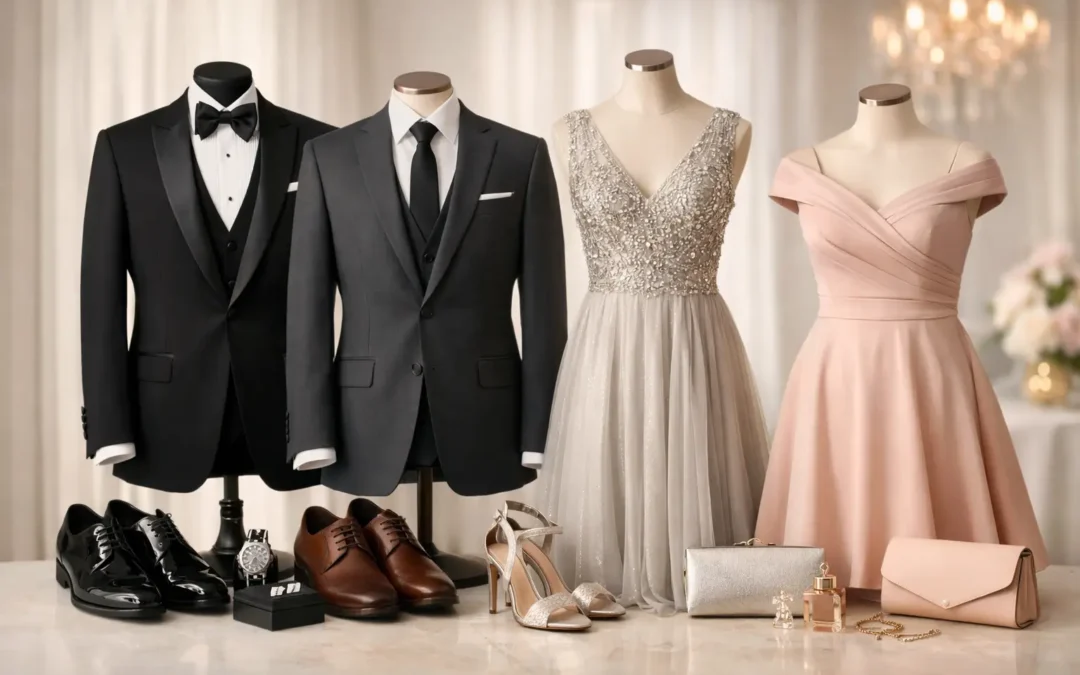
A formal invitation can be exciting right up until you get to the dress code line. Black tie, formal, cocktail formal, evening wear – close enough to sound similar, but different enough to cause second thoughts. This formal dress code guide is designed to make that decision easier, so you can choose a look that feels elegant, appropriate and genuinely flattering.
For most women, the challenge is not finding a beautiful dress. It is finding the right beautiful dress for the occasion, the venue, the time of day and the level of formality expected. Once you understand what the dress code is really asking for, shopping becomes far more straightforward.
What a formal dress code guide should actually help you do
A good formal dress code guide should do more than define a few fashion terms. It should help you avoid feeling overdressed, underdressed or uncomfortable all night. The best outfit is usually the one that matches the event while still feeling like you.
Formal dress codes tend to sit on a spectrum rather than inside rigid rules. A school formal calls for something polished and memorable, but not necessarily the same look you would wear to a black tie wedding. An evening gala may suit full-length glamour, while a formal engagement party might lean slightly more modern and relaxed. That is why context matters as much as the wording on the invitation.
Understanding the main formal dress codes
Black tie
Black tie is one of the clearest formal categories. In most cases, it calls for a floor-length gown or a very refined midi or full-length formal dress. Think elevated fabrics, clean lines and a more dressed-up finish overall. Satin, chiffon, velvet, crepe and embellished details all work well here.
If the event is at a luxury venue or held in the evening, it is wise to lean more formal rather than less. Statement earrings, a structured clutch and a polished heel usually complete the look well. A dress that feels too casual in fabrication, such as basic cotton or jersey, can miss the mark even if the shape is technically long enough.
Formal or evening wear
Formal and evening wear usually allow a little more flexibility than black tie. A maxi dress is often the safest choice, but an elegant midi can also work depending on the cut, fabric and styling. If the invitation says formal without adding black tie, you have room to choose a look that is sophisticated without being overly dramatic.
This is often where women can show more personal style. A one-shoulder silhouette, soft ruching, a sleek column shape or a full skirt can all suit the brief. The key is that the overall impression still feels elevated.
Cocktail formal or semi-formal evening events
These dress codes can be the most confusing because they mix two levels of dressiness. In practice, this usually means a shorter or midi-length dress with a polished finish. You do not need a full gown, but the look should still feel occasion-ready.
For weddings, parties or race day events with a formal edge, a midi dress in a luxe fabric is often the right answer. If you are deciding between two options, the one with cleaner tailoring and dressier accessories is usually the safer pick.
How to read the event, not just the label
The invitation gives you the dress code, but the event itself gives you the real clues. Time of day matters. Evening events usually support richer colours, heavier fabrics and more dramatic styling. Daytime formal events often suit softer tones, lighter materials and a fresher finish.
Venue matters too. A city ballroom, waterfront wedding, school formal or winery reception each suggest a different version of formal. Season also changes the equation. In an Australian summer, a formal dress still needs to look elegant, but breathable fabrics and lighter colours can make far more sense than anything too heavy or restrictive. In cooler months, deeper shades and long sleeves can feel both practical and polished.
When in doubt, it helps to ask whether your outfit would still look right in the event photos. That usually brings the answer into focus quickly.
Choosing the right dress for your shape, comfort and confidence
The most successful formal outfit is not always the trendiest one. It is the one that fits well, photographs beautifully and lets you move through the event without adjusting it every five minutes.
If you prefer structure, a fitted bodice or corset-style shape can create a more secure feel. If comfort is the priority, a softly draped maxi dress or a style with stretch through the waist and hips may be a better option. Women shopping for extended sizing often know that cut matters just as much as size availability. Features like ruching, supportive straps, wrap styling and considered drape can make a major difference to both fit and confidence.
Length should also be practical. A floor-length gown looks stunning, but it needs to be manageable for walking, stairs and dancing. A midi can be a smart alternative when you want something formal that still feels easy to wear. There is no value in choosing a dress that looks perfect on a hanger but limits your movement once the event starts.
The colours and fabrics that feel most formal
Certain colours naturally read more formal. Black, navy, emerald, burgundy, champagne and deep jewel tones are classic choices for evening events. Soft blush, sage, dusty blue and muted metallics also work beautifully, especially for weddings and seasonal celebrations.
That said, colour should always suit the occasion. A white or ivory dress may be elegant, but for most weddings it is best avoided unless specifically requested. For school formals, there is often more freedom to wear brighter shades, shimmer or fashion-forward details.
Fabric carries just as much visual weight as colour. Satin instantly lifts a simple silhouette. Chiffon brings softness and movement. Sequins and embellishment can work well for night events, but there is a balance. If the dress has heavy detail, keep accessories cleaner. If the dress is minimalist, that is where jewellery or heels can do a little more.
Styling matters, but it should not fight the dress
A formal look comes together through the full outfit, not just the dress itself. Shoes, jewellery, bag and outerwear all need to support the same level of polish. The mistake many women make is choosing accessories that feel too casual, which can bring down an otherwise beautiful outfit.
A small clutch, refined heel and simple jewellery are usually enough. If your dress has a strong neckline, you may not need a necklace at all. If your dress is embellished, let that be the feature. Good styling is often about restraint.
Hair and makeup should also match the mood of the event. That does not mean they need to be elaborate. A clean blow-dry, soft waves or a sleek bun can all look formal when paired with the right dress. The same goes for makeup – polished is more important than heavy.
Common mistakes this formal dress code guide can help you avoid
The biggest mistake is assuming formal always means the most dramatic option available. Sometimes a beautifully cut midi in a premium fabric looks more sophisticated than an overly embellished gown. Another common issue is dressing for trend rather than occasion. A style might be popular online, but if it does not suit the event or your body shape, it will not feel right on the day.
Fit problems are another risk, especially when shopping online for milestone events. Leave enough time for delivery, trying on and any alterations if needed. If the event matters, rushing the dress decision rarely leads to the best result. Retailers like Chic Evening Dresses make this process easier by offering occasion-focused styles across a broad size range, which gives shoppers more realistic options from the start.
Finally, do not overlook comfort. If the dress code is formal but the event includes hours of standing, dancing or moving between spaces, comfort becomes part of looking polished. Confidence shows most when you are not distracted by your outfit.
A simple way to decide when you are stuck
If you are choosing between two dresses, ask three questions. Does it suit the dress code? Does it suit the event setting? Does it make you feel confident the moment you put it on? If the answer is yes to all three, you are probably on the right track.
Formal dressing should feel special, not stressful. The right dress does more than meet the brief – it lets you enjoy the event, feel comfortable in your own style and show up with confidence from the first photo to the last dance. When you keep that in mind, the dress code starts to feel much easier to read.
