 FREE DELIVERY $180+ AUD
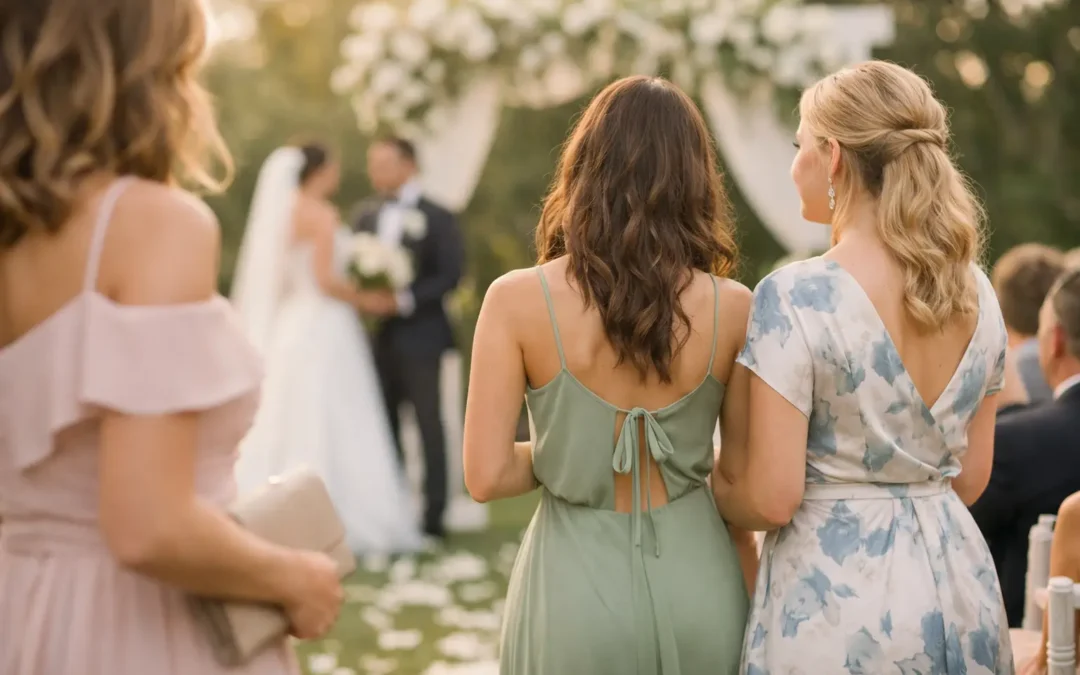
A wedding invitation can look beautifully simple until you reach the dress code. “Cocktail”, “formal”, “garden party” and “black tie optional” each mean something slightly different, and the right choice depends on the setting, timing and couple. This wedding guest dress etiquette guide makes getting dressed feel much easier, so you can arrive looking polished, comfortable and ready to celebrate.
The best wedding guest outfit is not about disappearing into the background or competing for attention. It is about choosing a dress that suits the occasion, feels like you and lets the couple remain the focus of the day.
Start With the Invitation, Then Read the Room
Treat the invitation as your first styling clue. A dress code is there to help guests create a cohesive feel, particularly for formal celebrations where photographs, venue rules and the formality of the ceremony all come into play.
Also consider the venue, ceremony time and season. A vineyard wedding in the Barossa, a beach ceremony on the Gold Coast and an elegant city reception in Melbourne can all call for very different looks, even if the invitation simply says “formal”. If you are unsure, the venue’s atmosphere usually gives you a better guide than trying to decode every word on the RSVP.
For daytime weddings, lighter colours, florals, soft fabrics and midi or maxi lengths tend to feel right. Evening celebrations can suit richer tones, elevated details and a more dramatic silhouette. Think satin, refined draping, a sleek one-shoulder style or a full-length gown, depending on the dress code.
Wedding Guest Dress Etiquette Guide by Dress Code
Casual and relaxed weddings
Casual does not mean everyday casual. Save denim, activewear, thongs and overly worn basics for another weekend. A casual wedding still deserves a considered outfit that photographs well and shows respect for the occasion.
A printed midi dress, a breezy maxi dress or a polished mini dress with a more covered neckline can work beautifully. For a country, garden or beach wedding, breathable fabrics and block heels or dressy flats are often more practical than sky-high stilettos. If the ceremony is on grass or sand, choose shoes you can actually walk in.
Cocktail weddings
Cocktail attire is one of the most common wedding dress codes in Australia. It sits between relaxed daytime dressing and full formalwear, so you have room to show your personal style while still looking elevated.
A midi dress is usually the easiest choice, though a refined mini or elegant maxi can work too. Look for details that feel special: a flattering wrap shape, soft ruching, statement sleeves, a beautiful print, satin finish or a structured bodice. Pair your dress with heels, dressy sandals or polished flats, then add a small clutch and simple jewellery.
Avoid anything that feels closer to nightclub dressing than wedding attire. Very sheer fabrics, extremely cut-out styles and hemlines that make sitting difficult may look great in a mirror but can feel out of place through a ceremony, family photos and a long reception.
Formal and black tie optional weddings
Formal weddings call for a more refined approach. A full-length evening dress is a dependable choice, especially for an evening reception, while an elegant midi dress can suit a daytime formal event or a less traditional venue.
Deep jewel tones, navy, emerald, burgundy, chocolate and sophisticated florals are lovely options. A sleek maxi dress with a considered neckline or a flowing skirt creates the right level of occasion without feeling overly bridal. Black is generally acceptable at modern Australian weddings, particularly for evening events, as long as the dress feels celebratory rather than sombre.
“Black tie optional” means the couple welcomes glamour but is not demanding a strict black-tie look. A formal maxi dress is ideal, but you do not need to buy a ball gown. Focus on quality-looking fabric, a flattering fit and accessories that lift the overall outfit.
Black tie weddings
For black tie, a floor-length gown is the safest and most appropriate choice. Choose an elegant silhouette rather than something overly busy: a satin maxi, a softly draped gown, a classic A-line shape or a fitted style with tasteful detail all work well.
Keep accessories polished. A small evening bag, refined heels and jewellery that complements rather than competes with your dress will feel right. If the event is outdoors or held during cooler months, a tailored wrap, elegant coat or dressy shawl is much more suitable than a casual jacket.
Colours to Wear, and Colours to Approach Carefully
The clearest wedding guest etiquette rule is to avoid white, ivory, cream and shades that could read as bridal in photographs. This includes pale champagne, very light nude and soft blush tones when they are close enough to white to cause doubt. Even if a dress has a print, it is best to choose another option if the base colour appears bridal.
Unless the couple has specifically asked guests to wear white, leave it for them. The same applies to dresses that look like bridesmaid attire if you know the bridal party colours. You do not need to avoid every similar shade, but choosing a distinctly different tone is considerate.
Colour is otherwise a wonderful way to dress for a wedding. Soft pastels suit spring celebrations, bright florals bring energy to summer ceremonies, and rich colours look beautiful for autumn and winter receptions. Consider the setting too. A bold dress can be perfect for a city venue, while a romantic floral or earthy tone may feel especially at home at a garden or winery wedding.
Let Comfort Be Part of the Dress Code
A wedding is rarely a two-hour event. There may be travel, a ceremony in the sun, canapés, photographs, dinner and a dance floor that goes late into the evening. The dress that looks perfect but needs constant adjusting will quickly distract from the fun.
Before the day, sit down, raise your arms, walk around and check whether your chosen undergarments work with the cut of the dress. If you are wearing a fitted style, make sure you can comfortably eat and move. If you have selected a strapless or backless dress, test the support properly rather than hoping for the best.
Fit matters more than the number on the label. A well-fitting dress that gives you confidence will always look more elegant than a trend-led style that feels restrictive. With occasion dresses available across a broad size range, it is worth taking accurate measurements and allowing time for any alterations if needed.
Match Your Accessories to the Occasion
Accessories should finish the outfit, not fight it. If your dress has detailed beading, a bold print or dramatic sleeves, keep jewellery simple. If the dress is sleek and minimal, a statement earring, metallic heel or beautiful clutch can add personality.
Bring a layer if the forecast is uncertain, especially for outdoor ceremonies and cooler evening receptions. Australian weather can change quickly, and a lightweight wrap or tailored blazer is more useful than shivering through speeches. A small umbrella can also be sensible for a garden wedding, but avoid one that is bulky or difficult to manage.
For shoes, consider the terrain as much as the dress code. Stiletto heels are not ideal for a lawn, gravel path or beach. Block heels, wedges and dressy flats can look just as elegant while making it far easier to move around comfortably.
When the Rules Are Meant to Be Broken
Some couples deliberately create a wedding that does not follow tradition. They may request bright colours, western wear, a themed outfit, all-black looks or a specific cultural dress code. In these cases, their request comes first.
If you are attending a cultural or religious ceremony, modesty expectations may apply. A dress with longer sleeves, a higher neckline or a covered shoulder can be appropriate, and a scarf or wrap is useful when you are uncertain. When in doubt, it is completely fine to ask the couple or someone close to them for guidance.
A thoughtful wedding guest outfit should make you feel lovely from the first photo to the final dance. Choose a dress that respects the setting, suits your shape and gives you enough comfort to be fully present for every happy moment.
FAQs
What is the general wedding guest dress etiquette in Australia?
Wedding guest dress etiquette in Australia starts with reading the dress code on the invitation, then considering venue, timing and season before choosing colour or length. Chic Evening Dresses recommends letting the venue’s atmosphere guide the final decision when a dress code like ‘formal’ feels open to interpretation.
What does black tie optional mean for a wedding in Australia?
Black tie optional for a wedding in Australia means the couple welcomes glamour without requiring a strict ball gown, so a formal maxi dress in quality fabric works well. Chic Evening Dresses suggests focusing on fabric and fit rather than searching for the most dramatic silhouette when the dress code says optional.
How dressy is a casual wedding dress code in Australia?
A casual wedding dress code in Australia still calls for a considered outfit rather than everyday basics, with a printed midi, breezy maxi or polished mini dress all working well. Chic Evening Dresses recommends breathable fabrics and block heels or dressy flats for garden, country or beach wedding settings.
What should a black tie wedding dress in Australia look like?
A black tie wedding dress in Australia is safest as a floor-length gown, whether a satin maxi, a softly draped gown or a fitted style with tasteful detail. Chic Evening Dresses recommends polished accessories and a tailored wrap or elegant coat for outdoor or cooler-weather black tie events.
What does wedding guest colours etiquette look like in Australia?
Wedding guest colours etiquette in Australia centres on avoiding white, ivory, cream and shades that could read as bridal in photographs, including pale champagne and light blush. Chic Evening Dresses recommends choosing a distinctly different tone from the bridal party’s colours as a thoughtful, considerate styling choice for guests.
Why does wedding day outfit comfort matter so much in Australia?
Wedding day outfit comfort matters in Australia because the day often includes a ceremony, photographs, dinner and dancing that can run for many hours without a break. Chic Evening Dresses recommends testing whether you can sit, walk and raise your arms comfortably in the dress before the big day arrives.
What outdoor ceremony layering works best for weddings in Australia?
Outdoor ceremony layering for weddings in Australia works best with a lightweight wrap or tailored blazer, since weather can shift quickly between the ceremony and an evening reception. Chic Evening Dresses recommends choosing a layer that complements the dress rather than a bulky jacket that changes the overall silhouette.
